Blog
Chimney Cowl Materials & Finishes UK (2025)


Chimney Cowl Materials & Finishes UK (2025)
Chimney Cowl Materials & Finishes UK compares stainless steel, galvanised steel and powder-coated cowls so you can balance durability, coastal resistance, value and maintenance. You’ll learn how materials behave in UK weather, which finish suits inland vs coastal exposure, how to maintain each, and which heads to choose for wind, rain, wildlife or ember control—without sacrificing free exit area or safety.
Prefer a professional? Book nationwide sweeps & stove specialists via The Stove Guys. In Dundee, contact Hot Box Stoves Dundee.
In this page
- Why Chimney Cowl Materials & Finishes UK matters
- The three options: stainless vs galvanised vs powder-coated
- Side-by-side comparison table
- Coastal exposure: what really lasts
- Inland value: how to buy smart
- Head styles by material
- Maintenance routines by finish
- UK scenarios with quick recommendations
- Pre-order checks (don’t skip these)
- Related guides & internal links
- FAQs
- Conclusion & quick links
Why Chimney Cowl Materials & Finishes UK matters
Pick the wrong finish and you’ll clean more, replace sooner and fight noise as thin sections vibrate. Chimney Cowl Materials & Finishes UK helps you match durability and appearance to your exposure, fuel and maintenance habits—so your cowl looks good, stays quiet and performs in foul weather.
The three options: stainless vs galvanised vs powder-coated
Stainless steel
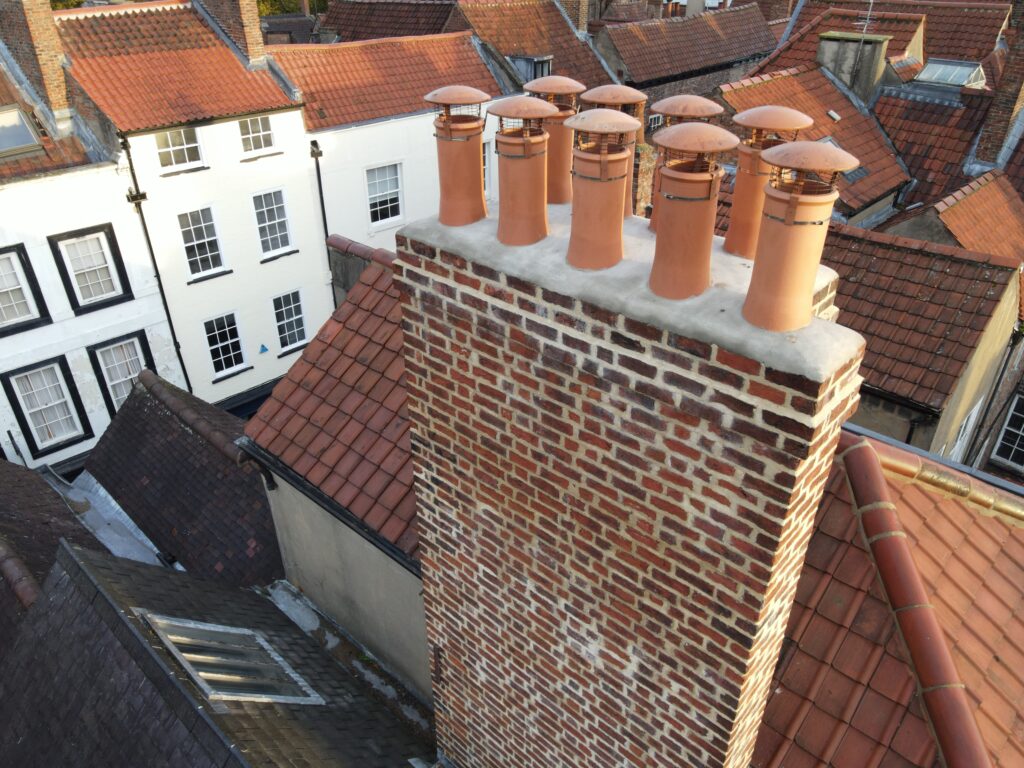
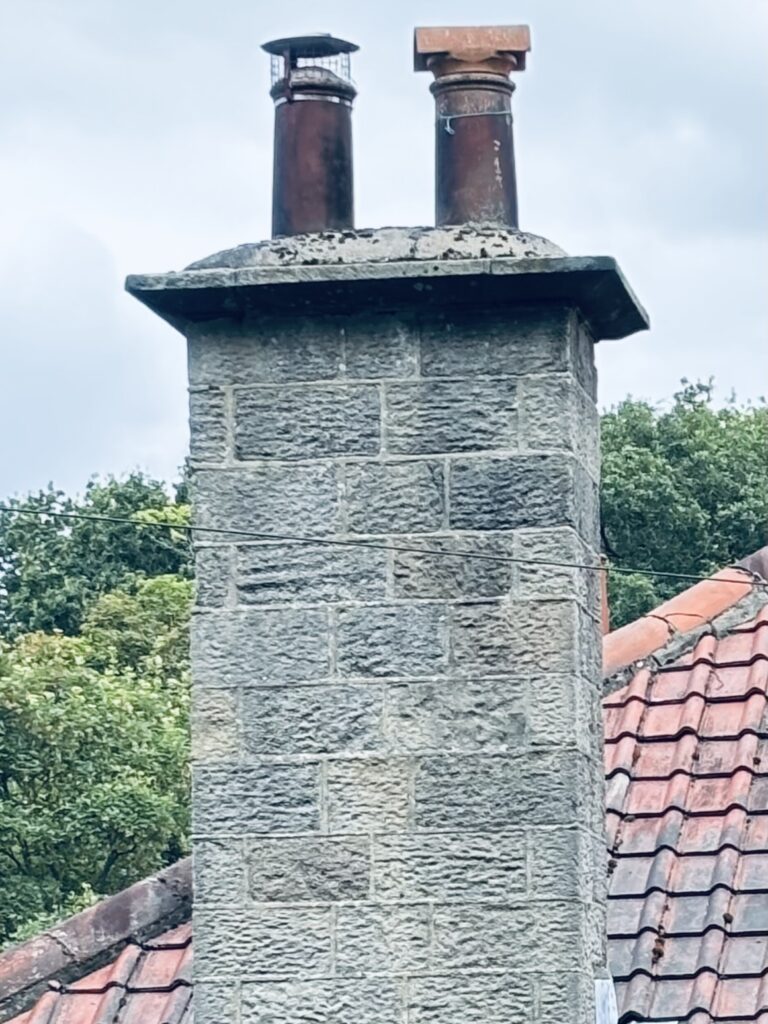
Best-in-class corrosion resistance and stiffness. Ideal for coastal sites, high winds and homes that value longevity over low initial cost. Brushed or mill finish blends with modern stacks and resists salt spray and repeated seasonal cleaning.
Galvanised steel
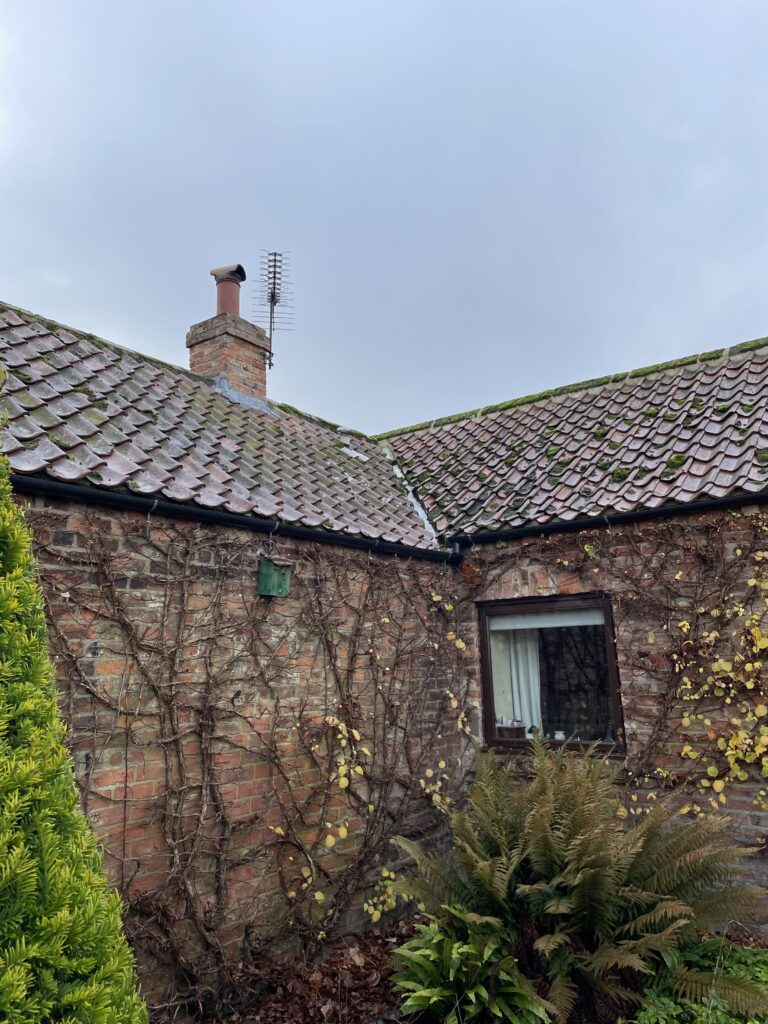
Great-value choice for inland roofs. A protective zinc layer offers robust everyday resistance, especially when paired with sensible maintenance. Slightly lighter sections can be more “ringy” in gusts if poorly seated—fit carefully and re-check tension.
Powder-coated
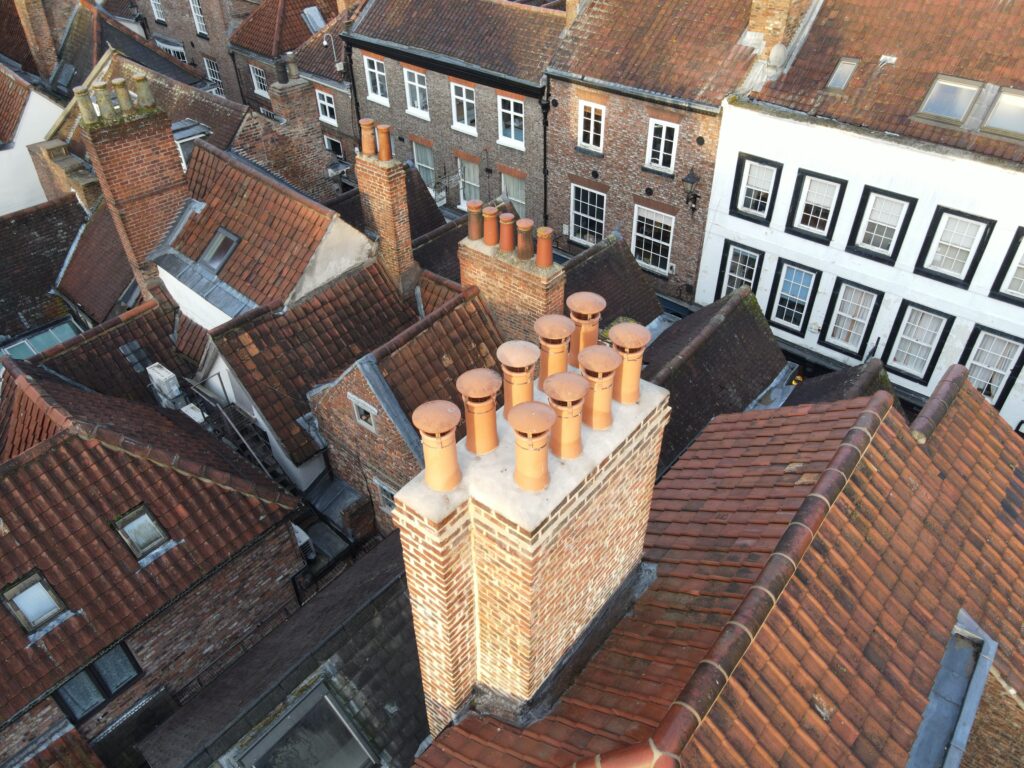
A colour-matched coating over steel (often galvanised) that looks discreet on heritage stacks. The coating adds protection, but any chip should be touched up to prevent underfilm corrosion. Choose quality coatings for longer life.
Side-by-side comparison table
| Property | Stainless Steel | Galvanised Steel | Powder-Coated |
|---|---|---|---|
| Corrosion resistance | Excellent (best for coast) | Good inland | Good if coating intact |
| Structural stiffness | High (quieter in gusts) | Moderate | Moderate (depends on base metal) |
| Maintenance | Rinse/brush; inspect seasonally | Brush/inspect; protect scratches | Inspect coating; touch up chips |
| Visual fit | Modern/neutral | Utility/industrial | Discreet/heritage-friendly |
| Cost (relative) | £££ | £ | ££ |
| Best use | Coastal, high wind, long life | Inland value installs | Heritage aesthetics inland |
Coastal exposure: what really lasts
Sea spray and relentless wind test any terminal. In Chimney Cowl Materials & Finishes UK we recommend stainless as the default for coastal homes. It resists salt and stands up to repeated cleaning; its stiffness helps quell vibration that can turn gusts into hum. If you prefer a coloured finish, consider stainless with a high-grade coating and commit to inspections after storms.
Read: Coastal Chimney Cowl Options for exposure-specific advice, including spinning vs anti-downdraught heads.
Inland value: how to buy smart
Inland sites enjoy lower corrosion loads. Galvanised cowls deliver reliable service at a keen price, especially when paired with thoughtful installation and a quick seasonal brush. Powder-coated finishes add subtle colour and can blend with heritage pots; just keep an eye on chips after ladder work or sweeping.
Head styles by material
Material choice and head geometry work together. Here’s how we pair them in Chimney Cowl Materials & Finishes UK:
- Anti-Downdraught + Stainless: quiets gusts on headlands; ideal coastal baseline. Shop Anti-Downdraught
- Spinning + Stainless: when wind direction swings wildly; service bearings to keep silent. Shop Spinning
- Rain-Cap + Galvanised: inland sites with rain ingress only—great value, simple and quiet. Shop Rain-Cap
- Bird-Guard + Powder-Coated: discreet wildlife protection under mature trees; plan seasonal brushing. Shop Bird-Guard
- Spark-Arrestor + Stainless: thatch/high-risk roofs; fine mesh with scheduled cleaning. Shop Spark-Arrestor
Maintenance routines by finish
Stainless
- Rinse after storms (coast) to remove salt.
- Brush mesh/cap until daylight passes clearly.
- Check strap tension or plate level each season.
Galvanised
- Brush soot and debris; avoid harsh abrasives.
- Protect scratches promptly; re-tension band after first hot-cold cycles.
- Confirm cap clearance to avoid hum in gusts.
Powder-Coated
- Inspect coating; touch up chips to stop underfilm rust.
- Use non-abrasive cleaning; keep mesh bright to light.
- Review fixings after ladder work or sweeping.
UK scenarios with quick recommendations
- Coastal bungalow, gusty headland, lined stove (150 mm): stainless pot-hanger with anti-downdraught head. Rinse after storms; schedule bearing check if later switching to spinning.
- Inland semi, rain odours but no wind issues: galvanised rain-cap; brush seasonally. Value-led, quiet, long-lasting when fitted square and level.
- Heritage terrace with prominent clay pots: powder-coated bird-guard for nesting control; touch up chips after service visits.
- Thatched cottage: stainless spark-arrestor with strict cleaning intervals; consider anti-downdraught pairing for cross-winds.
- Large open fire, fragile rim: bolt-down plate model in stainless to limit flex; ensure generous free exit area to prevent hum.
Pre-order checks (don’t skip these)
- Confirm your exposure: coastal vs inland (wind, salt, storms).
- Choose material accordingly (stainless for coast; galvanised or powder inland).
- Measure pot OD and, if lined, liner diameter—see Chimney Cowl Size Guide UK.
- Select the right fixing: strap & band, bolt-down, or pot-hanger.
- Match head to the problem: downdraught, rain, wildlife, embers.
- Preserve free exit area (≥ flue cross-section) regardless of finish.
Ready to choose a finish?
Related guides & internal links
Chimney Cowl Size Guide UK Fixings Explained Anti-Downdraught Cowls Spinning Cowls Rain-Cap Cowls Bird-Guard Cowls Spark-Arrestors Coastal Options Draught Problems (Diagnose & Fix)
FAQs
Do stainless cowls always beat galvanised inland?
Not always. Inland homes can get long service from galvanised or powder-coated cowls with light seasonal maintenance. Stainless shines where salt and strong winds are routine.
Will powder-coated finishes chip?
Any painted surface can chip under impact. Choose quality coatings and touch up chips promptly to protect the base metal.
Is stainless quieter?
Often yes, because stiffer sections vibrate less. Proper seating and free exit area matter just as much—many noises are installation-related.
Can I mix finishes across components?
Yes. For example, a stainless base with a powder-coated cap for aesthetics. Keep hardware compatible and maintain the coating.
Does finish affect draw?
Finish itself doesn’t, but head geometry and exit area do. Prioritise the right head style and a generous pathway for flue gases.
Conclusion & quick links
Chimney Cowl Materials & Finishes UK comes down to exposure, budget and maintenance. Pick stainless for coast and extreme wind, galvanised or powder-coated for inland value and heritage looks, and always fit square, preserve free exit area and schedule quick seasonal checks. That’s the formula for quiet, durable performance—year after year.