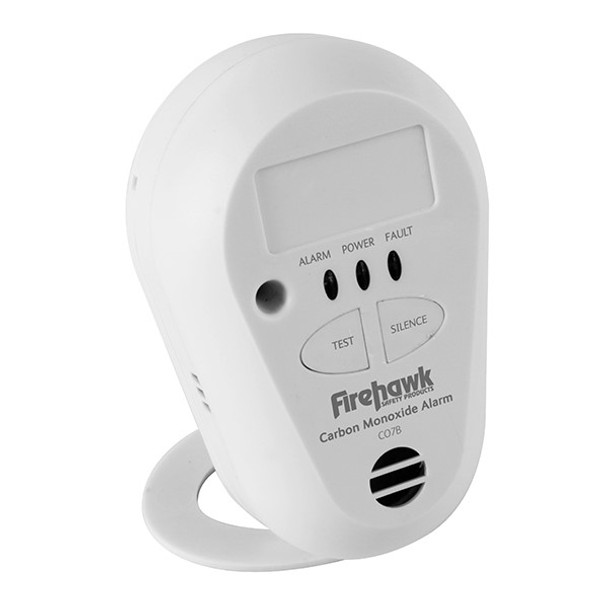
Carbon Monoxide Detector Alarm
Carbon Monoxide Detector Alarms (UK): Complete Guide for Stove & Fire Safety
Carbon Monoxide Detector Alarms are a legal requirement in most UK homes with solid-fuel or gas appliances. They save lives by alerting you to invisible, odourless CO gas before it becomes dangerous. This guide explains what they do, where to fit them, and which models to choose for stoves and fireplaces.
Ensure every stove installation includes a compliant carbon monoxide detector. It’s the simplest way to protect your household.
In this guide
What is Carbon Monoxide?
Carbon monoxide (CO) is a colourless, odourless and tasteless gas produced by incomplete combustion of fuels such as wood, coal, oil or gas. It prevents the body from absorbing oxygen, and high concentrations can be fatal within minutes. Even low exposure can cause headaches, nausea and confusion.
Why you need a CO alarm
- CO cannot be detected by smell or sight — only an alarm can identify it early.
- Required under UK Building Regulations for all solid-fuel appliances.
- Modern alarms offer continuous digital readouts and long-life sealed batteries.
- Helps landlords and homeowners comply with The Smoke & Carbon Monoxide Alarm (Amendment) Regulations 2022.
Types of Carbon Monoxide Detector Alarms
- Battery Operated CO Alarms: Quick and easy to install. Many models use 10-year sealed lithium batteries.
- Mains Powered (with battery backup): Ideal for new builds or when rewiring. Provides continuous protection even during power cuts.
- Smart Wi-Fi Alarms: Send alerts to your smartphone, ideal for landlords or remote monitoring.
- Digital Display CO Alarms: Show real-time CO concentration (ppm) to track air quality trends.
Correct positioning & installation
Correct installation is essential for accurate detection. Follow these guidelines from HSE and HETAS:
- Mount at **head height**, approximately 1–3 m horizontally from the stove or boiler.
- Avoid corners, behind curtains, or directly above air vents.
- If in bedrooms, position close to the breathing zone.
- Test monthly and replace batteries when the alarm chirps.
UK Regulations & HETAS Guidance
Under Building Regulations Approved Document J, a carbon monoxide alarm must be fitted in any room containing a solid-fuel appliance. The alarm must comply with BS EN 50291-1 (domestic) or BS EN 50291-2 (caravan/marine use).
- All alarms should carry a **Kitemark (BSI)** or **CE/UKCA mark**.
- Landlords are legally required to provide and maintain alarms in rented properties.
- HETAS engineers will not sign off an installation without proof of an operational alarm.
Maintenance & Lifespan
- Test every month using the built-in test button.
- Vacuum the alarm gently to remove dust and cobwebs.
- Replace the entire unit every 7–10 years depending on manufacturer guidelines.
- Never paint or cover the alarm housing.
Recommended CO Alarms
All alarms supplied meet BS EN 50291-1 standards and include installation guidance.
FAQs
How often should I replace a carbon monoxide alarm?
Most alarms last between 7 and 10 years. Always check the manufacturer’s date and replace before expiry.
Do I need one in every room?
You must install one in every room containing a fuel-burning appliance, but extra units in sleeping areas are strongly advised.
Are CO alarms mandatory in rental homes?
Yes. As of 2022, UK landlords must install and maintain working CO alarms in any room with a fixed combustion appliance.
What’s the difference between smoke and CO alarms?
Smoke alarms detect visible particles from fire; carbon monoxide alarms sense an invisible gas from incomplete combustion — both are essential for safety.
Further Resources
HSE: Carbon Monoxide Safety HETAS Advice Shop CO Alarms The Cowl Guide Hot Box® Stoves