Blog
Anti-Downdraught Chimney Cowls: How They Work & When to Choose One


Anti-downdraught chimney cowl: how it works & when to choose one
Beat gusty winds, stop smoke blow-back, and stabilise flue draw with a purpose-built anti-downdraught cowl.
Clean ignition + warm flue = stronger natural draught. Pair your cowl with a clean-burning firelighter for best results.
What causes downdraught?
Downdraught happens when wind pressure and turbulence at pot level overpower the flue’s natural up-draught. Common triggers include nearby tall buildings, roof shapes that create eddies, exposed hilltop/coastal locations, and cold flues that never establish strong draw.
How an anti-downdraught cowl works
- Deflection skirt: reshapes cross-winds so pressure at the pot stays positive for up-flow.
- Venturi effect: side openings accelerate air across the outlet, helping pull flue gases upwards.
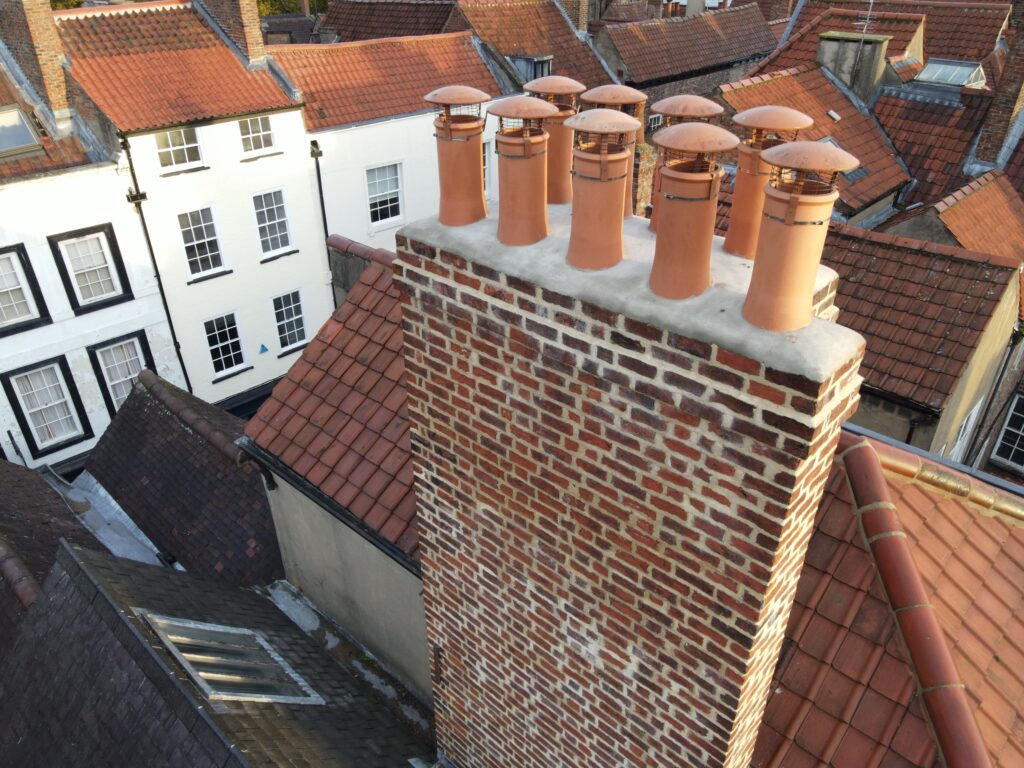
- Weather cap + mesh: controls rain entry and keeps birds/debris out without choking the terminal.
When to choose an anti-downdraught model
Symptoms you’ll notice
- Smoke puffs back as gusts hit the chimney.
- Fire difficult to light unless doors/windows are open.
- Soot smells and cold hearth in windy weather.
Best applications
- Open fires on exposed or complex roofs.
- Wood burners with poor draw (unlined flues).
- Properties near ridgelines, valleys, or tall obstructions.
Choosing the right fixing & setup
| Scenario | Recommended Product | Why |
|---|---|---|
| Open fire, no liner | Anti-Downdraught Cowl (Strap & Band) | Fast install, stabilises wind flow without re-lining. |
| Stove with flexible liner | Liner Pot-Hanger Anti-Downdraught | Supports the liner and caps the pot in one step. |
| Very exposed/coastal sites | Rotary/Spinning Cowl | Active rotation increases up-draught under turbulent winds. |
| Bird activity + wind issues | Anti-Downdraught with Guard | Combines deflection with bird mesh to prevent blockages. |
Sizing & compatibility
- Measure the outside diameter of your chimney pot.
- Match to the cowl’s stated range; many are adjustable within common pot sizes.
- For lined flues, choose a pot-hanger cowl that matches your liner diameter.
Installation overview
- Confirm pot size & select anti-downdraught cowl with the correct fixing.
- For lined flues, connect the liner to a pot-hanger anti-downdraught cowl.
- Secure strap & band evenly; ensure cap is level and mesh unobstructed.
- Test-burn and verify smoke exits freely under light wind.
Anti-downdraught vs other cowl types
Not sure if you need anti-downdraught or something else? Here’s a quick comparison:
Anti-Downdraught — best for wind-induced smoke blow-back Bird Guard — stops nesting; mild weather protection Spinning Cowl — extra boost in very exposed locations
FAQs
Will an anti-downdraught cowl cure all smoke blow-back?
It solves most wind-induced issues. If problems continue, look at flue size, height, blockages, or consider re-lining.
Do anti-downdraught cowls restrict draw?
Quality designs maintain free exit area while deflecting cross-winds. Correct sizing and clean mesh are key.
Can I fit one without a liner?
Yes—choose a strap & band model. For weak draw or tar build-up, a liner can transform performance.
What maintenance is required?
Inspect seasonally, clear soot from mesh/cap, and sweep the flue regularly.