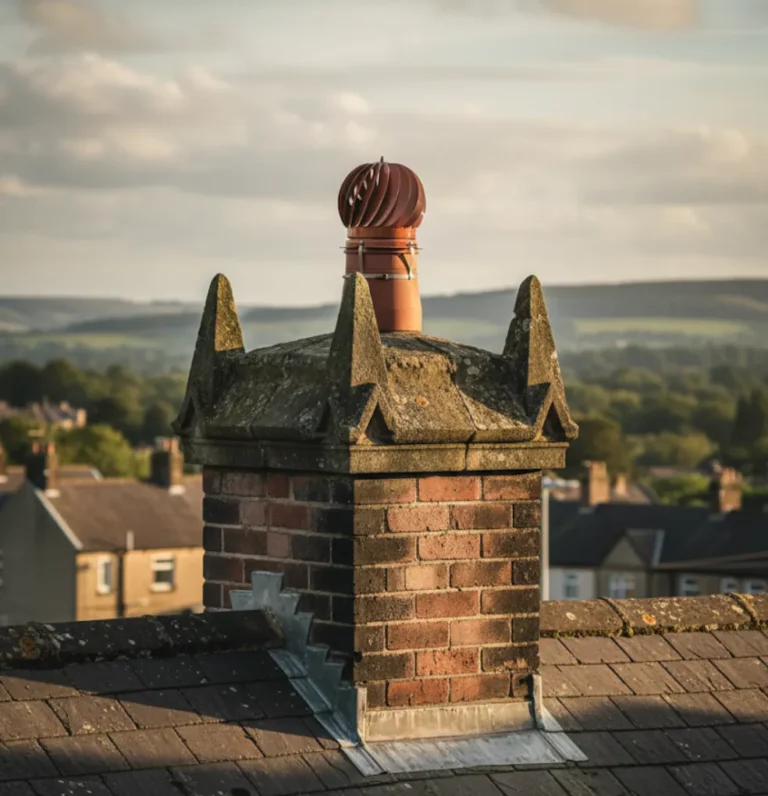
A spinning chimney cowl, also known as a rotating or turbine cowl, is a specialized chimney cap designed to enhance the draft within a chimney flue. These cowls feature a rotating top or "turbine" that spins with the wind, creating a vacuum effect that draws smoke and gases up and out of the chimney more effectively. Spinning cowls are typically made from durable materials like stainless steel or aluminum and are equipped with ball bearings to allow for smooth and consistent rotation.
How Do Spinning Cowls Work?
The principle behind spinning chimney cowls is fairly straightforward. When wind blows across the roof, it catches the turbine blades on the cowl, causing them to rotate. This spinning action creates a low-pressure zone above the chimney opening, which in turn enhances the natural draft of the chimney. By increasing the draft, the spinning cowl helps expel smoke, fumes, and gases more efficiently, reducing the chances of smoke being blown back into the house.
Moreover, spinning cowls also work to stabilize the chimney's performance in various weather conditions. In high winds or during periods of atmospheric pressure changes, a traditional chimney without a cowl can struggle to maintain a consistent draft, leading to downdrafts or back puffing. Spinning cowls counteract these effects by maintaining a steady draw through the flue, regardless of external weather factors.
Why Might You Need a Spinning Chimney Cowl?
Spinning cowls are ideal for homes and properties that frequently experience issues with chimney draft, backdrafts, or downdrafts. Here are some common scenarios where a spinning cowl can be particularly beneficial:
Persistent Downdrafts: If you notice that smoke often blows back into your living space, this could be due to downdrafts caused by strong winds or incorrect chimney height. A spinning cowl prevents this by stabilizing the airflow in and around the flue.
Improving Draft Efficiency: Poor draft can lead to incomplete combustion, which not only makes it harder to light a fire but can also cause a buildup of dangerous gases like carbon monoxide. A spinning cowl optimizes the chimney’s draw, improving the overall efficiency and safety of your fireplace or stove.
Exposed Chimney Locations: Properties situated on high ground or coastal areas often experience strong and unpredictable winds. A spinning cowl acts as a safeguard, ensuring that the wind enhances rather than disrupts the draft.
Pest Prevention: While spinning cowls are primarily designed to improve draft, their movement also acts as a deterrent to birds, squirrels, and other wildlife that might try to nest inside your chimney.
Benefits of Installing a Spinning Cowl
Spinning cowls offer several advantages over traditional static cowls or open chimneys:
Enhanced Draft Control: By promoting a consistent upward flow of smoke and gases, spinning cowls prevent the problems associated with fluctuating drafts.
Reduced Risk of Backdrafts: The spinning mechanism minimizes the chances of smoke blowing back into your home, even in high wind conditions.
Versatility: Suitable for a range of heating appliances, including open fires, wood-burning stoves, and gas systems.
Long-Term Durability: Made from robust materials, spinning cowls are designed to withstand harsh weather conditions and provide years of reliable service.
Pest and Debris Protection: The rotating top helps block debris and discourages animals from entering the chimney, reducing the need for frequent cleanings.
FAQ: Frequently Asked Questions About Spinning Cowls
Do Spinning Cowls Require Maintenance?
Yes, spinning cowls require periodic maintenance to ensure they operate smoothly. This typically involves lubricating the ball bearings and cleaning any accumulated soot or debris that might hinder rotation. Regular maintenance will prolong the lifespan of the cowl and ensure optimal performance.
Are Spinning Cowls Noisy?
Lorem ipsum dolor sit amet, consectetur adipiscing High-quality spinning cowls are designed to operate quietly. However, if you hear unusual noises, it could be due to worn-out bearings, loose fittings, or debris caught in the mechanism. Proper installation and regular upkeep can help prevent noise issues.. Ut elit tellus, luctus nec ullamcorper mattis, pulvinar dapibus leo.
Can I Install a Spinning Cowl Myself?
While some homeowners might attempt to install a spinning cowl themselves, it’s recommended to have it professionally installed. Proper placement and secure fitting are crucial for ensuring that the cowl functions correctly and safely.
Will a Spinning Cowl Work for All Types of Chimneys?
Spinning cowls are versatile and can be used on most chimneys, including those attached to wood-burning stoves, open fireplaces, and gas appliances. However, it’s important to select a cowl that matches the specific dimensions and requirements of your chimney.
Can a Spinning Cowl Prevent Water Ingress?
While spinning cowls can help reduce the amount of rainwater entering the flue, their primary function is to enhance draft. For chimneys that experience significant water ingress, it’s advisable to pair the spinning cowl with a rain cap or use a different type of chimney cover specifically designed for this purpose.
Final Thoughts
Spinning chimney cowls are a practical, effective solution for improving chimney draft, minimizing backdrafts, and keeping out unwanted pests. Their ability to optimize airflow in various weather conditions makes them an excellent choice for homeowners looking to boost chimney efficiency and safety. By choosing a high-quality, well-fitted spinning cowl, you can enjoy a safer, cleaner, and more efficient fireplace or stove, regardless of external conditions.
If you’re considering a spinning cowl for your chimney, be sure to consult with a professional to find the perfect fit and ensure a successful installation.