Chimney Caps (UK): Rain Protection & Safety Covers for Chimneys
Chimney caps are protective covers fitted to the top of a chimney pot. They prevent rain, birds, debris, and downdraught from entering the flue, improving safety, performance and lifespan of both the chimney and connected appliances.
A chimney cap is a metal or mesh cover fitted over the chimney pot to protect the chimney from weather damage, blockages, pests and structural deterioration.
They are commonly used on redundant, disused, or temporarily unused chimneys — though many models can be used on active flues depending on airflow rating and certification.
Benefits of Chimney Caps
Stops rain entering the chimney, reducing damp, staining and internal damage.
Prevents bird nesting, which can fully block a chimney and create fire hazards.
Reduces downdraught where wind pushes smoke or cold air back into the home.
Provides ventilation for unused chimneys while keeping weather out.
Extends the lifespan of chimney pots, liners and mortar by keeping moisture away.
Types of Chimney Caps
Different situations require different cap styles—here are the most common:
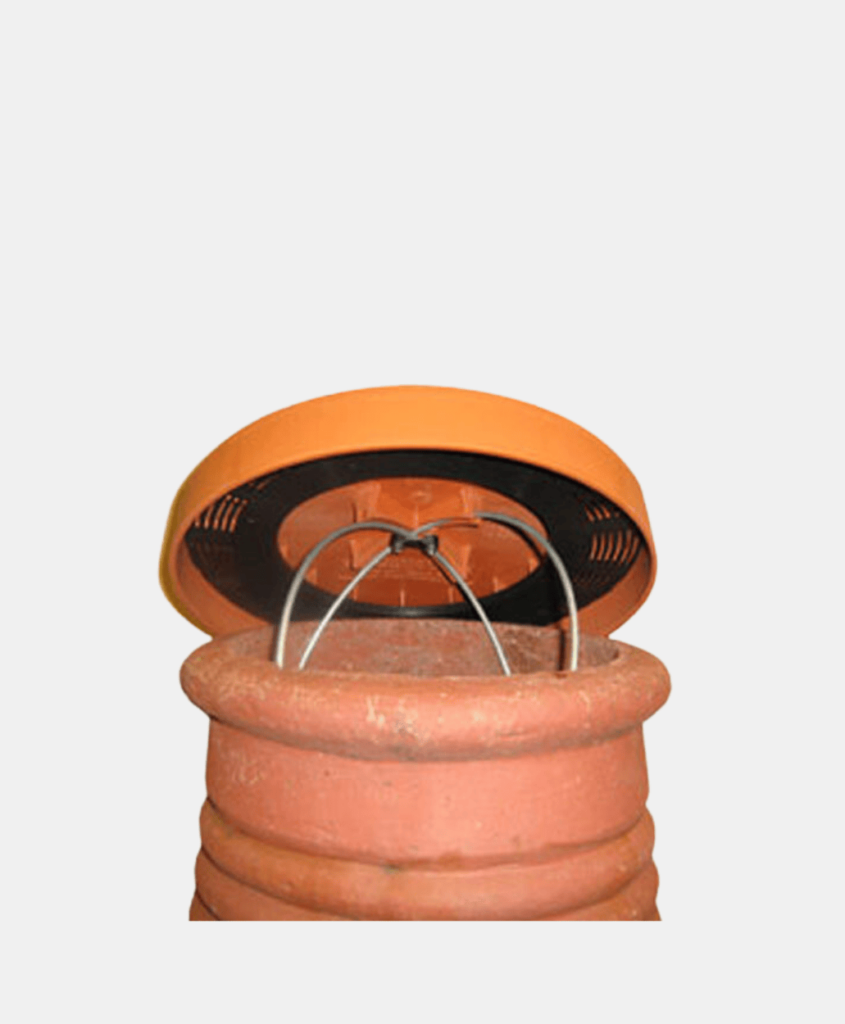
Rain Caps – Prevent rain entry while allowing ventilation.
Bird Guards – Mesh-covered caps that stop birds and debris.
Disused Chimney Caps – Fully capped but vented; ideal for blocked or unused chimneys.
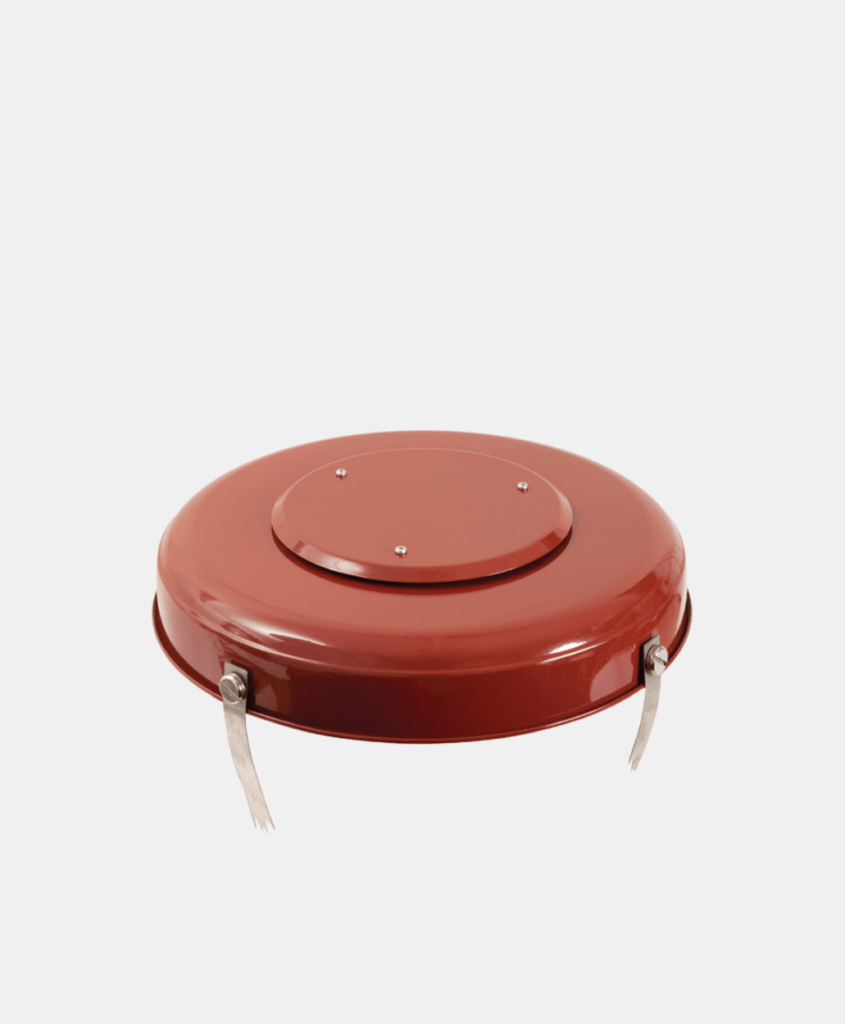
Pot Hanger Caps – Fit directly onto the pot with straps for secure mounting.
High-Capacity Cowls – For working fireplaces that still need rain protection.
How to Install a Chimney Cap
Most modern caps are designed for quick installation:
Measure the chimney pot: internal or external diameter depending on model.
Select the correct fixing: strap fix, bolt fix or pot-hanger design.
Position the cap: align centrally over the chimney pot.
Secure the fixings: tighten straps or bolts evenly.
Check ventilation: ensure the cap allows adequate airflow.
For active flues, a HETAS-registered installer is recommended for regulatory compliance.
Choosing the Right Size
To find the correct size chimney cap:
Measure the outer diameter of the pot at the top.
Check whether the pot is round, square or rectangular.
Choose a cap with an adjustable or matching fixing band.
For working chimneys, confirm the cap is rated for the appliance type.
Maintenance Tips
Inspect annually for rust, loose straps or storm damage.
Ensure mesh is not blocked by soot or debris.
Replace caps showing structural wear, especially on working flues.