Blog
Best Chimney Cowl for Wood Burning Stove UK (2026)

Best Chimney Cowl for Wood Burning Stove UK (2026)
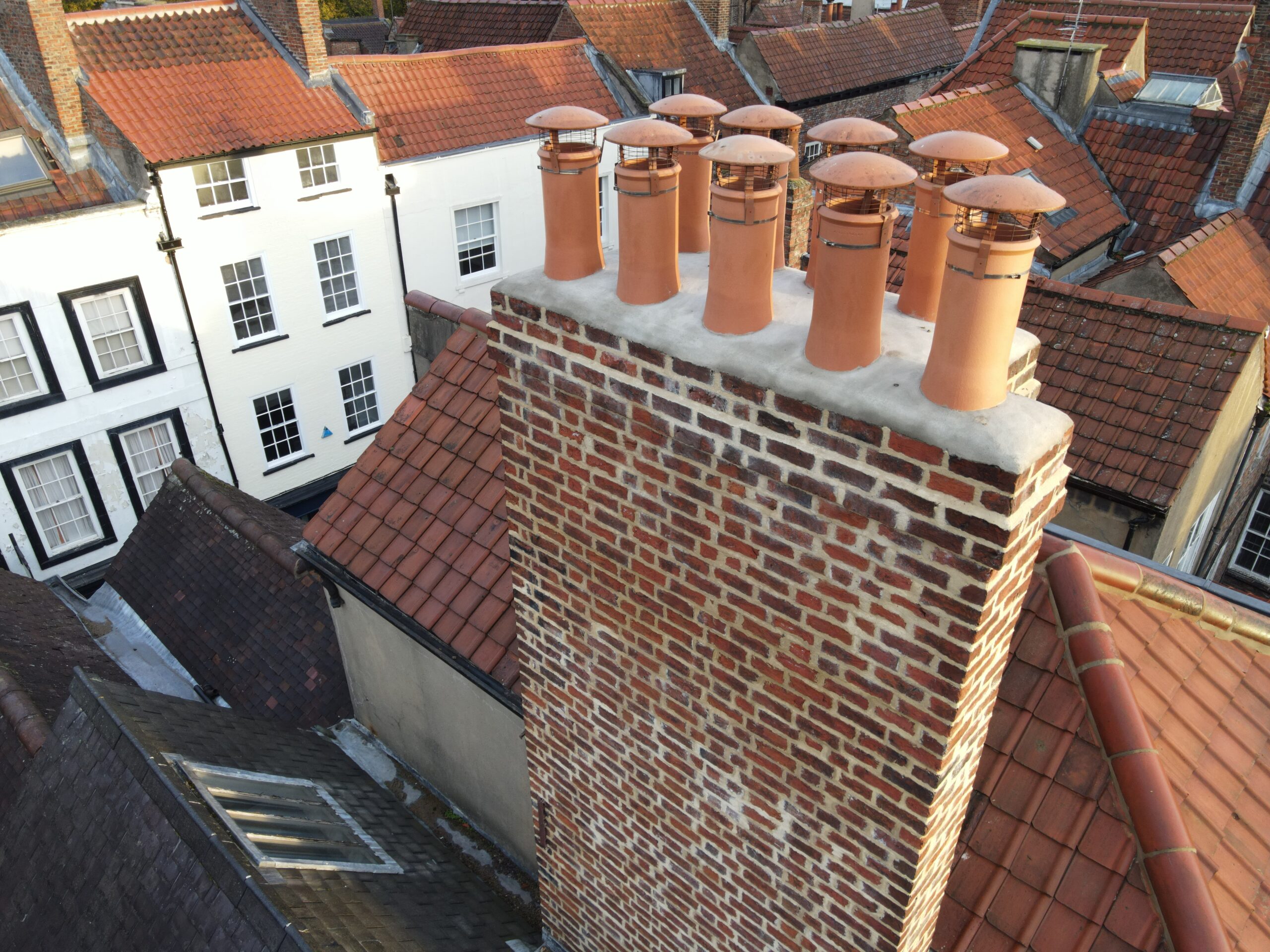
Choosing the best chimney cowl for wood burning stove UK installations depends on the problem you are trying to solve. Rain ingress, bird entry, poor initial draw, wind-related downdraught and flexible flue liner termination all require different chimney cowl designs.
There is no single chimney cowl that is automatically best for every wood-burning stove. The right choice depends on the chimney construction, whether the flue is lined, the exposure of the property, the appliance manufacturer’s requirements and the symptoms being experienced.
Best Chimney Cowl for Wood Burning Stove UK: Start With the Problem
The most important step is diagnosis. Many chimney cowl purchases fail because the buyer chooses a product based on appearance rather than function. A rain cap will not necessarily solve downdraught. A bird guard will not always prevent rain. A spinning cowl may be unnecessary where the real issue is poor ventilation or a cold flue.
A practical way to choose the best chimney cowl for wood burning stove UK use is to match the symptom to the likely cause.
| Problem | Likely Cause | Best Cowl Type | Important Check |
|---|---|---|---|
| Rain entering the chimney | Open pot, exposed terminal or poor liner termination | Rain-cap cowl or liner rain cap | Maintain sufficient free exit area |
| Smoke blows back in windy weather | Pressure changes and turbulence around the stack | Anti-downdraught cowl | Confirm the issue is genuinely wind-related |
| Birds or nesting material | Open chimney pot | Bird guard or combined rain and bird cowl | Mesh must remain cleanable |
| Flexible liner needs termination | Unfinished or poorly supported liner top | Pot-hanger liner cowl | Match the exact liner diameter |
| Weak draw when first lighting | Cold flue, room depressurisation or poor lighting method | Not always a cowl issue | Check ventilation, flue temperature and lighting method |
| Persistent smoke spillage | Restricted flue, appliance fault, ventilation or poor chimney design | Diagnosis required before purchase | Arrange professional inspection |
Which Chimney Cowl Is Best for a Wood-Burning Stove?
For most wood-burning stoves, the best cowl is the one that protects the flue while preserving reliable upward flow. It must be compatible with solid fuel, capable of withstanding flue temperatures and sufficiently open to avoid restricting combustion gases.
Best for flexible flue liners
A pot-hanger liner cowl is usually the preferred choice where a stainless steel flexible liner terminates inside a clay chimney pot. It supports the liner, covers the top of the pot and provides a defined outlet.
- Supports the liner correctly
- Reduces direct rain entry
- Creates a neat termination
- Available in common liner diameters
Best for wind-related smoke blowback
An anti-downdraught chimney cowl is designed to reduce the effect of wind pressure around the terminal. It may be appropriate where smoke spillage happens predominantly during strong winds from particular directions.
- Designed to manage turbulent airflow
- Useful on exposed or elevated properties
- Can improve stability of the terminal pressure
- Must not be used as a substitute for proper diagnosis
Best for rain ingress
A rain-cap chimney cowl places a canopy above the flue outlet to reduce direct rainfall. The cap must be high enough above the terminal to maintain the effective outlet area.
- Reduces direct vertical rainfall
- Useful on open or rarely used chimneys
- Can be combined with bird protection
- Requires adequate clearance below the cap
Best for bird and debris protection
A bird guard chimney cowl uses a protective cage or mesh to reduce nesting, leaves and larger debris entering the chimney. It must be inspected because soot and tar can accumulate on mesh.
- Prevents larger birds entering
- Reduces nesting material and debris
- May be combined with a rain cap
- Needs regular cleaning and inspection
Find the Right Cowl for Your Stove
Use the Chimney Cowls UK product range or Cowl Finder to compare rain caps, liner cowls, bird guards and anti-downdraught solutions.
Shop Chimney Cowls Use the Cowl FinderBest Chimney Cowl for a Flexible Flue Liner
Many modern UK wood-burning stove installations use a stainless steel flexible liner inside an existing masonry chimney. Where this arrangement is present, the cowl is part of the flue termination system rather than simply an accessory.
The liner should terminate in accordance with the system design and appliance requirements. A correctly sized pot-hanger cowl is designed to suspend or secure the liner at the chimney pot while providing a weather-resistant terminal.
Why liner diameter matters
Flexible liners are commonly supplied in nominal sizes such as 125mm, 130mm, 150mm, 155mm and 200mm, depending on the appliance and system. The cowl connection must match the actual liner size. A loose or improvised connection can allow water entry, instability and leakage.
- Confirm the liner diameter before ordering.
- Check whether the liner is suitable for wood or multifuel use.
- Do not reduce the flue diameter at the terminal without design approval.
- Ensure the cowl is rated for the appliance and fuel.
- Check that the chimney pot is sound enough to support the fixing.
Best Anti-Downdraught Cowl for a Wood-Burning Stove
Downdraught occurs when air moves down the chimney rather than allowing combustion gases to rise freely. In practice, the term is often used broadly to describe any smoke spillage, but genuine wind-induced downdraught is usually associated with particular weather conditions.
The best chimney cowl for wood burning stove UK installations affected by wind is generally an anti-downdraught model designed for solid fuel use. The design works by shielding or redirecting airflow around the terminal.
Signs that wind may be the problem
- The stove draws normally in calm conditions.
- Smoke problems happen during strong wind.
- The problem is worse when wind comes from a particular direction.
- The chimney is close to a higher roof, tree or neighbouring building.
- The property sits in an exposed valley, hilltop or coastal position.
When an anti-downdraught cowl may not help
- The flue is blocked or heavily tarred.
- The room lacks adequate combustion air.
- Extractor fans are depressurising the building.
- The chimney is too short or poorly positioned.
- The appliance or flue diameter is incorrect.
- The existing cowl is already restricting the outlet.
Where the cause is uncertain, review our full chimney downdraught solutions UK guide before ordering.
Best Rain Cap for a Wood-Burning Stove Chimney
Rainwater can enter an open chimney vertically, but not all chimney damp originates at the pot. Defective flaunching, cracked pots, failed lead flashings, porous masonry and condensation can all create similar symptoms.
A rain cap is most effective where direct rainfall is clearly entering the flue opening. The cap should project sufficiently over the outlet while maintaining enough space beneath it for flue gases to escape.
What to look for in a rain-cap cowl
- Solid-fuel suitability
- Corrosion-resistant construction
- Adequate cap diameter
- Sufficient clearance below the canopy
- Secure strap, clamp or pot-hanger fixing
- Access for sweeping and maintenance
For more detail, read our rain cap chimney cowls UK guide.
Bird Guard or Rain Cap: Which Is Better?
A bird guard and rain cap perform different functions, although many products combine both. A bird guard provides a cage or mesh barrier. A rain cap provides a canopy above the outlet. The best option depends on the risk at the property.
| Requirement | Bird Guard | Rain Cap | Combined Cowl |
|---|---|---|---|
| Prevent bird entry | Strong | Limited | Strong |
| Reduce direct rainfall | Limited | Strong | Strong |
| Stop leaves and larger debris | Strong | Moderate | Strong |
| Cleaning requirement | Higher | Lower | Moderate to high |
| Risk of soot accumulation | Higher if mesh is dense | Lower | Depends on guard design |
For a regularly used wood-burning stove, avoid unnecessarily dense mesh. Soot, tar and debris can reduce the open area over time. The guard should be inspected as part of routine chimney sweeping.
Do Spinning Chimney Cowls Work on Wood-Burning Stoves?
Rotary or spinning cowls are often promoted as solutions for downdraught or poor draw. Some are designed to use wind movement to create a negative pressure effect at the terminal. However, they are not automatically the best choice for every stove.
Moving parts may require maintenance, and soot deposits can affect rotation. Product suitability for solid fuel must be confirmed. A rotary cowl should not be used to mask an underlying ventilation, blockage or chimney-height problem.
Potential advantages
- May assist in certain wind conditions.
- Can provide rain and bird protection.
- May help ventilate unused flues where specifically designed.
Potential disadvantages
- Moving parts can seize or wear.
- Soot and tar may impede rotation.
- Some models are unsuitable for solid fuel.
- Can create noise in strong winds.
- May not address the real cause of poor draw.
Materials: Stainless Steel, Galvanised Steel or Clay?
Material choice affects durability, corrosion resistance, appearance and maintenance. The best chimney cowl for wood burning stove UK use should be suitable for the fuel, temperature and exposure of the property.
Stainless steel
Stainless steel is widely used because it offers good corrosion resistance and a relatively long service life. It is usually preferred in exposed or coastal locations.
Galvanised steel
Galvanised cowls can be cost-effective but may have a shorter life in coastal or highly exposed environments. Check the manufacturer’s intended use.
Clay terminals
Clay cowls and terminals can suit traditional buildings aesthetically. They are heavier and may require sound supporting masonry and careful fixing.
How Chimney Height Affects Cowl Performance
A cowl cannot always compensate for inadequate chimney height. Chimney terminals need to discharge into air that is sufficiently free from adverse pressure zones. If the terminal is too close to a ridge, wall, tree or taller neighbouring building, turbulence may remain regardless of the cowl fitted.
Where a chimney repeatedly suffers from wind-related problems, the solution may involve increasing the terminal height, changing the cowl, improving combustion air or combining several measures.
- Compare the terminal position with the roof ridge.
- Check for nearby taller structures.
- Consider mature trees and seasonal foliage.
- Review whether neighbouring extensions have changed airflow.
- Confirm that any extension system is structurally secure and suitable for solid fuel.
Cold Flues and Poor Initial Draw
A wood-burning stove may smoke when first lit because the chimney is cold. Cold dense air inside the flue can resist upward movement, especially in external chimneys, tall masonry stacks and properties that have been unheated for several days.
This does not necessarily mean the cowl is wrong. The issue may improve once the flue warms and a stable upward draught is established.
Common causes of poor initial draw
- Cold external chimney
- Large masonry flue volume
- Damp chimney
- Insufficient combustion air
- Extractor fans operating nearby
- Poor fire-starting method
- Wet or oversized fuel
Improve Stove Lighting and Initial Draw
Where the chimney is sound but slow to establish draw, a high-energy ignition method may help warm the flue more quickly.
Explore Hot Box® Firestarter Diagnose DowndraughtVentilation and Room Pressure
Modern homes are often more airtight than older buildings. Extractor fans, mechanical ventilation, kitchen hoods and sealed replacement windows can create negative pressure within the room. The chimney then has to compete against the building’s air movement.
A new cowl may not solve this problem. If opening a window slightly improves the stove’s draw, inadequate combustion air or room depressurisation may be contributing.
How to Measure for a Wood-Stove Chimney Cowl
Accurate measurement prevents wrong purchases and unsafe improvised fitting. The measurements required depend on whether the cowl attaches to a clay pot, flexible liner or metal flue terminal.
For a clay chimney pot
- Measure the external diameter across the top.
- Measure in two directions if the pot is oval.
- Record the pot height available for straps.
- Check whether mouldings or tapering affect the fixing.
- Inspect for cracks and loose sections.
For a flexible liner
- Confirm the nominal liner diameter.
- Check whether the liner is single-skin or twin-skin flexible liner.
- Confirm the fuel and temperature classification.
- Measure the chimney pot outside diameter.
- Check whether an existing top plate or pot-hanger is present.
For a twin-wall flue
- Identify the flue manufacturer and system.
- Confirm the internal and external diameter.
- Use only a compatible terminal or adapter.
- Check the manufacturer’s required locking arrangement.
Installation Methods Compared
| Installation Method | Typical Use | Advantages | Limitations |
|---|---|---|---|
| Strap and band | Standard sound clay pots | Quick, adjustable, non-invasive | Depends on pot condition and even tightening |
| Pot-hanger | Flexible liner systems | Supports liner and forms terminal | Must match liner and pot dimensions |
| Bolt-down | Exposed sites or specialist cowls | High mechanical security | More invasive and requires careful drilling |
| Clamp or twist-lock | Proprietary metal flues | Manufacturer-designed connection | Not interchangeable between systems |
When Not to Fit a Chimney Cowl Yourself
The main barrier to DIY installation is not the complexity of the cowl. It is safe access to the chimney. Falls from roofs can cause life-changing injury or death, and chimney stacks are often reached across steep, fragile or slippery roof coverings.
A professional should be used where any of the following applies:
- The stack cannot be reached safely from a suitable ladder or platform.
- The roof is steep, fragile, wet, icy or moss-covered.
- The chimney pot is cracked or loose.
- The flaunching is failing.
- The property is more than one storey or has difficult access.
- The chimney problem has not been confidently diagnosed.
- The appliance or liner installation needs alteration.
- The chimney serves a listed or historic building.
Official guidance is available from the Health and Safety Executive’s Work at Height guidance.
Common Buying Mistakes
Choosing by appearance
A cowl that looks robust may still be unsuitable for solid fuel, the wrong diameter or too restrictive for the flue.
Buying a universal cowl without measuring
“Universal” usually means the fixing accommodates a range of pot sizes. It does not guarantee compatibility with every liner, appliance or flue.
Assuming all smoke is downdraught
Blockages, cold flues, ventilation problems and poor fuel can produce similar symptoms.
Ignoring maintenance
Mesh guards and rotary cowls need inspection. A product that cannot be maintained safely may not be the best long-term choice.
Maintenance After Installation
A chimney cowl sits in one of the most exposed parts of the building. It is subject to rain, frost, wind, corrosive combustion deposits and thermal cycling. Even a high-quality installation needs periodic checks.
- Inspect during each chimney sweep.
- Check for loose straps, corrosion and distortion.
- Remove soot and tar from mesh guards.
- Confirm rotary cowls still move freely.
- Inspect after severe storms.
- Check the chimney pot and flaunching at the same time.
- Replace damaged or heavily corroded components promptly.
Best Chimney Cowl for Wood Burning Stove UK: Decision Table
| Your Situation | Recommended Starting Point | Avoid |
|---|---|---|
| Flexible liner in a clay pot | Correctly sized pot-hanger liner cowl | Loose rain cap with no liner support |
| Direct rain entering an open pot | Solid-fuel rain cap | Low cap that restricts the outlet |
| Smoke only during strong winds | Anti-downdraught cowl after diagnosis | Assuming every smoking issue is downdraught |
| Birds nesting in the chimney | Bird guard or combined rain/bird cowl | Dense mesh that cannot be cleaned |
| Weak draw only when lighting | Check cold flue, ventilation and lighting method | Buying a cowl before diagnosing the cause |
| Coastal or highly exposed property | Stainless steel and robust fixing | Light-duty untreated steel |
Best Chimney Cowl for Wood Burning Stove UK: Frequently Asked Questions
What is the best general cowl for a wood-burning stove?
Where the stove uses a flexible liner terminating inside a clay pot, a correctly sized pot-hanger liner cowl is often the best general option. It supports the liner and provides a defined weather-resistant outlet.
Will a chimney cowl improve stove draw?
It can improve draw where wind turbulence is affecting the terminal, but it will not necessarily correct a blocked flue, inadequate ventilation, a cold chimney or poor chimney design.
Can a rain cap be used on a wood-burning stove?
Yes, provided it is suitable for solid fuel, correctly sized and installed with enough free exit area beneath the cap.
Do bird guards restrict chimney draw?
A correctly designed bird guard should preserve sufficient airflow. However, soot and tar can build up on mesh, so the guard must be inspected and cleaned regularly.
Are spinning cowls suitable for wood-burning stoves?
Some rotary cowls are suitable for solid fuel, but others are intended only for ventilation or gas appliances. Always confirm the manufacturer’s classification before installation.
What cowl do I need for a 150mm liner?
You normally need a liner cowl or pot-hanger specifically designed for a 150mm flexible liner, with a fixing range suitable for the chimney pot.
Can a cowl stop all rain entering a chimney?
A rain cap can reduce direct rainfall, but damp may also come from defective flaunching, cracked pots, masonry saturation, failed flashings or condensation.
Should an unused chimney have a cowl?
An unused flue may benefit from a ventilating rain cap or bird guard, but it should not be completely sealed. Some airflow is usually desirable to reduce damp and condensation.
How long should a chimney cowl last?
Service life depends on material, exposure, fuel, maintenance and installation quality. Stainless steel generally offers better corrosion resistance than basic galvanised steel, particularly in coastal locations.
Can I fit a chimney cowl myself?
Only where safe access is available and the chimney is in sound condition. Difficult, high or fragile roofs should be left to a competent professional with appropriate access equipment.
Final Buying Checklist
Before buying the best chimney cowl for wood burning stove UK use, confirm every point below:
- The cowl is explicitly suitable for solid fuel.
- The product matches the problem being solved.
- The chimney pot diameter has been measured.
- The flexible liner diameter is known, where applicable.
- The fixing method suits the pot and site exposure.
- The free exit area will not be restricted.
- The material suits the local environment.
- The cowl can be inspected and maintained.
- The chimney pot and flaunching are structurally sound.
- Safe access and installation have been considered.
Related Chimney Cowl Guides
- Chimney Cowl Installation Guide UK
- Rain Cap Chimney Cowls UK
- Chimney Downdraught Solutions UK
- Chimney Liner Cowl UK
- Chimney Cowl Finder
Choose the Best Chimney Cowl for Your Wood-Burning Stove
The best chimney cowl for wood burning stove UK installations is the product that matches the real chimney problem. Compare solid-fuel rain caps, anti-downdraught cowls, bird guards and liner pot-hangers before ordering.
Shop Chimney Cowls Use the Cowl Finder