Blog
Chimney Vent – Improve Airflow and Prevent Damp in Your Chimney Stack

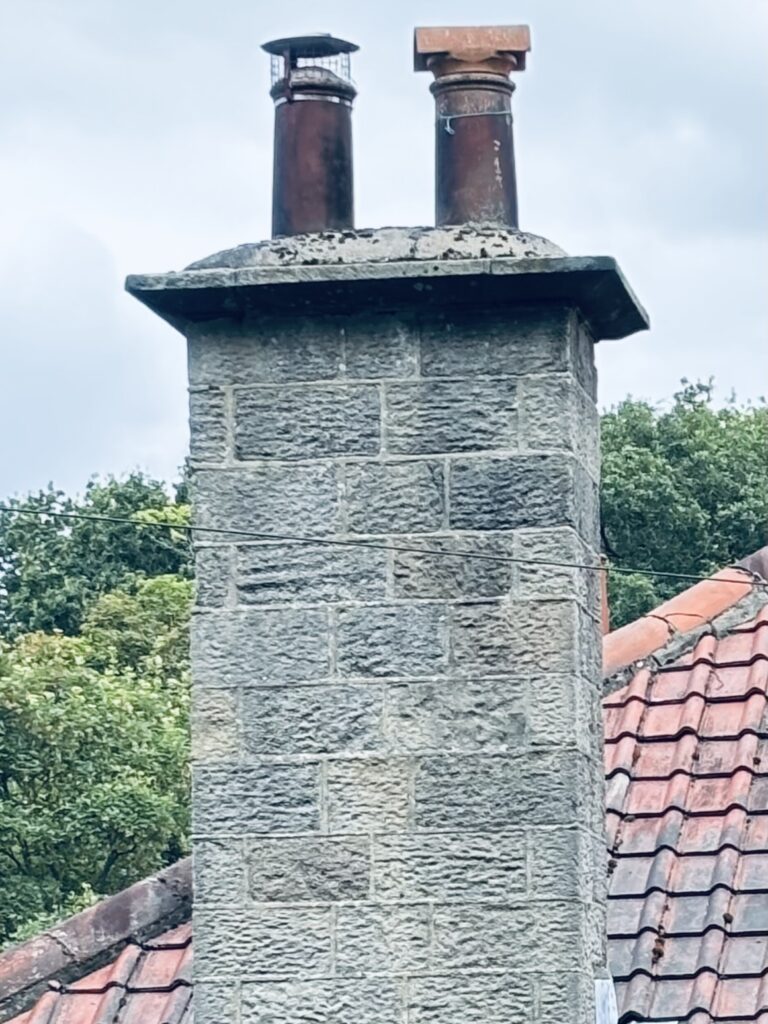
Chimney Vent UK: Ventilate an Unused Chimney and Reduce Damp
A correctly selected chimney vent allows controlled airflow through an unused, capped or redundant chimney flue. This can help reduce trapped moisture, condensation, stale odours and damp staining within the chimney breast. Compare traditional pepper pot vents, clay chimney vents and metal ventilation terminals for UK properties.

A redundant-flue vent is not a universal appliance terminal
A chimney vent intended for an unused flue should not be fitted to a working fire, stove, gas appliance or oil appliance unless the product is expressly designed and approved for that fuel, appliance and flue arrangement.
What Is a Chimney Vent?
A chimney vent is a terminal or ventilation component fitted to an unused, closed or redundant chimney flue. It allows air to continue moving through the chimney while helping reduce direct rain, bird and debris entry.
High-level ventilation
The terminal provides an escape route for humid, stagnant or moisture-laden air at the top of the chimney.
Weather protection
A shaped cap, hood or pepper pot form helps reduce direct rainfall entering the redundant flue.
Bird and debris control
Suitable openings can reduce access by larger birds and help limit leaves and nesting material.
Traditional appearance
Clay and terracotta chimney vents can preserve the visual character of period and heritage rooflines.
Quick answer: a chimney vent is most useful where a flue is permanently unused but should remain ventilated rather than being sealed airtight.
Why an Unused Chimney Still Needs Ventilation
Chimney masonry remains exposed to rain, frost, internal humidity and temperature changes after the appliance has been removed. Sealing the flue at both ends can prevent natural drying and trap moisture within cold, soot-contaminated masonry.
Reduce stagnant air
Air movement helps reduce stale and musty conditions inside a redundant chimney.
Support natural drying
Ventilation allows moisture to disperse rather than remaining trapped in brickwork, mortar and soot deposits.
Reduce condensation risk
Moving air can reduce prolonged condensation where warm internal humidity reaches cold chimney surfaces.
Protect internal finishes
Better drying conditions may reduce moisture-related staining, blistering and salt deposits on the chimney breast.
Retain a controlled outlet
A vent protects the top of the flue without leaving the chimney pot completely open to the weather.
Preserve future options
A ventilated chimney can remain inspectable and may be easier to reinstate or alter in the future.
How Redundant Chimney Through-Ventilation Works
A chimney vent at roof level cannot create meaningful through-flow unless replacement air can enter lower down. A redundant chimney should therefore normally have a high-level terminal and a low-level vent at or near the former fireplace opening.
Effective ventilation requires a route
Air must be able to enter at low level, travel through the redundant flue and leave through the chimney vent. Closing either end can substantially reduce circulation.
- Provide a suitable high-level ventilation terminal.
- Retain or install a low-level air grille.
- Keep the flue clear of nests and major debris.
- Avoid airtight sealing behind decorative closures.
- Inspect the chimney for penetrating damp separately.
A vent at the chimney top alone does not guarantee effective airflow. The former fireplace opening should also include an appropriate air inlet.
Can a Chimney Vent Help Prevent Damp?
A chimney vent can improve drying where restricted air movement and condensation are contributing to damp. It cannot repair an active water-entry route through defective masonry, flaunching, pointing or lead flashing.
| Observed problem | Possible cause | Will a chimney vent help? |
|---|---|---|
| Musty smell from an unused fireplace | Poor airflow through a redundant flue | Often, where both high- and low-level ventilation are provided |
| Damp appears mainly in cold weather | Condensation on cold chimney surfaces | Ventilation may help reduce moisture accumulation |
| Staining follows heavy rain | Rain entry, failed flashing or a masonry defect | A terminal may reduce direct entry, but the stack must be checked |
| White salts appear on masonry | Moisture evaporating through brick or plaster | Ventilation may support drying but does not remove the source |
| Water runs down the flue | Open pot, failed terminal or stack defect | Use a suitable weathering terminal and inspect the chimney |
| Damp worsened after sealing | Moisture trapped by inadequate ventilation | Restoring through-ventilation may improve drying conditions |
Do not treat every damp chimney as a ventilation problem. The stack, flaunching, pots, pointing, roof junctions and leadwork should be inspected where damp follows rainfall.
Types of Chimney Vent
The correct chimney vent depends on the chimney construction, property appearance, installation method and whether the flue is permanently redundant.
Pepper pot chimney vent
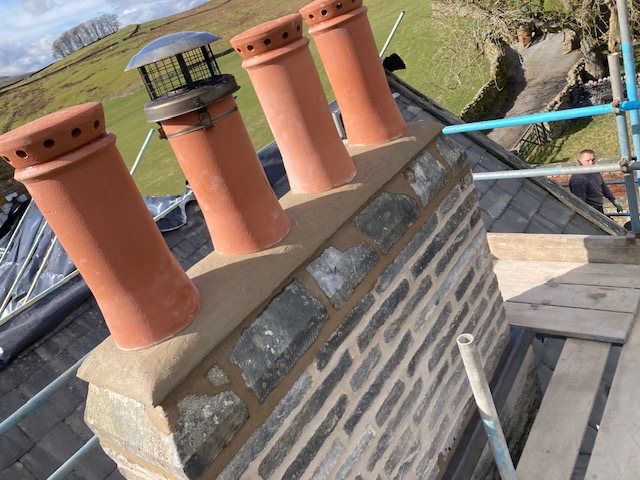
A traditional clay or terracotta terminal with multiple ventilation holes around the upper section.
Ventilating chimney capper
A lower-profile cap designed to reduce rain entry while maintaining airflow through a disused chimney.
Clay chimney vent
A traditional fired-clay terminal suited to many period, heritage and terracotta chimney arrangements.
Metal chimney vent
A lightweight terminal manufactured from galvanised or stainless steel for compatible installations.
Bird-guard ventilator
A ventilated cap incorporating protection against larger birds, nesting material and debris.
Low-level room vent
A grille fitted at the former fireplace opening to complete the ventilation route through the redundant chimney.
Pepper Pot Chimney Vents
A pepper pot chimney vent is one of the most recognisable terminals for a redundant chimney. It is normally made from clay or terracotta and includes multiple ventilation openings beneath a weather-shedding top.
Advantages of pepper pot vents
- Traditional appearance for older homes.
- Continuous high-level ventilation.
- Reduced direct rainfall through the flue.
- Durable fired-clay construction.
- No bearings or moving parts.
- Compatibility with many heritage rooflines.
Check before ordering
- Base diameter and seating arrangement.
- Flue or chimney-pot opening dimensions.
- Overall height, weight and handling requirements.
- Terracotta, red, buff or alternative finish.
- Compatibility with the chimney and flaunching.
- Provision of low-level ventilation.
Clay, Terracotta and Metal Chimney Vents
Material selection should account for the property style, exposure, chimney condition, maintenance requirements and fixing method.
| Material | Main advantages | Best suited to | Installation consideration |
|---|---|---|---|
| Terracotta | Traditional appearance and good durability | Victorian, Edwardian and heritage properties | Weight and brittleness require careful handling |
| Buff clay | Traditional construction with a lighter finish | Stone, buff-brick and selected modern properties | Colour should complement the existing roofline |
| Galvanised steel | Lightweight and economical | General inland domestic applications | Inspect for coating damage and corrosion |
| Stainless steel | Improved corrosion resistance | Coastal, exposed or difficult-access properties | Less visually traditional than clay |
| Aluminium | Very lightweight and corrosion resistant | Selected modern ventilation arrangements | Confirm compatibility with the intended installation |
For broader material guidance, read the chimney cowl materials and finishes guide .
Chimney Vents for Active and Unused Chimneys
A terminal designed to ventilate a redundant chimney is not necessarily suitable for combustion products, heat or the discharge requirements of a working appliance.
Unused or redundant chimney
A ventilating cap or pepper pot can protect the top while retaining continuous airflow. The former fireplace opening should also remain ventilated.
Working open fire or stove
Use a terminal specifically designed for the connected fuel, appliance and flue. A basic redundant-flue vent may restrict the outlet or be unsuitable for the operating temperature.
Gas appliance
Gas terminals are appliance-specific safety components. Any change should be assessed by a suitably qualified Gas Safe registered engineer.
Oil appliance
Use the terminal specified by the appliance and chimney-system manufacturer. A generic chimney vent should not be substituted.
Never assume that a ventilated terminal is suitable for a live appliance because it has visible openings. Fuel compatibility, free area, heat resistance and system approval must all be confirmed.
Which Chimney Terminal Do You Need?
Start by confirming whether the flue is redundant, open to rain, affected by birds or connected to a working appliance.
How to Choose the Correct Chimney Vent Size
The required measurements depend on the existing chimney pot, flue opening, terminal base and proposed fixing arrangement. Do not select a chimney vent from an estimated pot size alone.
External diameter
Measure the outside of the existing pot where a strap, band or external cap will sit.
Internal opening
Record the clear opening where an insert, sleeve or internal fixing may engage.
Pot shape
Confirm whether the chimney pot is round, square, rectangular, tapered, decorative or irregular.
Fixing height
Measure the straight-sided section available for a clamp, band or mechanical fixing.
Base and bedding
Check the product base diameter, weight and whether it requires a new mortar bed or renewed flaunching.
Neighbouring pots
Allow enough clearance so the vent does not obstruct another active chimney terminal.
Measurement tip: older chimney pots may be oval, tapered or irregular. Take measurements in more than one direction and photograph the pot and flaunching.
How to Install a Chimney Vent
Installation should be undertaken using safe roof access and in accordance with the product instructions. Clay vents are commonly bedded into mortar or renewed flaunching, while metal vents may use straps, clamps or proprietary fixings.
Confirm that the chimney is redundant
Establish that the flue is no longer connected to a working fire, stove, gas appliance or oil appliance.
Inspect and sweep the flue
Remove soot, nests and debris and assess whether the flue and chimney stack have significant defects.
Remove the existing terminal where required
Carefully remove defective caps, loose mortar or unstable pots without damaging the surrounding masonry.
Repair the chimney top
Repair loose brickwork, cracked flaunching and defective pot seating before installing the new chimney vent.
Bed or mechanically fix the vent
Follow the manufacturer’s instructions and ensure the terminal is level, central and securely retained.
Form the weathering detail
Shape the mortar or flaunching so rainwater sheds away from the vent and does not collect around its base.
Provide low-level ventilation
Install or retain a suitable grille at the former fireplace opening so air can circulate through the complete flue.
Inspect after severe weather
Recheck the vent, mortar bedding, flaunching and surrounding stack after the first period of heavy rain or strong wind.
Chimney vent installation involves work at height. A leaning ladder alone is not normally a suitable working platform. Use a competent roofer or chimney specialist where safe access cannot be established.
Chimney Vent Maintenance and Inspection
Even a simple clay chimney vent should be inspected periodically. Its openings must remain clear and the surrounding pot, bedding and flaunching must remain stable.
Inspect the vent
- Clear leaves and loose debris.
- Check for nesting material and bird activity.
- Remove mortar or soot blocking ventilation holes.
- Inspect clay for cracking or frost damage.
- Check metal terminals for corrosion.
- Confirm the terminal remains level and secure.
Inspect the chimney top
- Check the surrounding flaunching for cracking.
- Look for movement in the chimney pot or terminal.
- Inspect pointing and brick faces.
- Check leadwork and roof junctions where accessible.
- Confirm water sheds away from the base.
- Inspect after severe storms.
Redundant flues can still collect nests and debris. Consider periodic sweeping or inspection where the property is surrounded by trees or affected by bird activity.
Common Chimney Vent Mistakes
Chimney ventilation problems often result from sealing the flue, providing only one ventilation opening or using a redundant-flue terminal on a working appliance.
Sealing both ends
Blocking the chimney top and fireplace opening can trap moisture and worsen condensation or musty odours.
High-level ventilation only
A roof-level vent needs a low-level air inlet to create meaningful airflow through the flue.
Ignoring a water leak
A chimney vent cannot repair failed flashing, cracked flaunching, porous brickwork or defective pointing.
Using the vent on a live appliance
A redundant-flue vent may not provide adequate free area, heat resistance or appliance compatibility.
Guessing the dimensions
Incorrect sizing can produce poor seating, unstable fixing or an unsuitable visual result.
Fitting to weak masonry
Loose pots, failed mortar and damaged clay should be repaired before a new terminal is installed.
Blocking ventilation holes
Mortar, soot, debris and nests can prevent the terminal from ventilating the chimney effectively.
Ignoring visual compatibility
An unsuitable modern terminal can appear intrusive on listed, heritage or traditional properties.
Assuming ventilation cures all damp
Penetrating rain, contaminated salts and defective internal finishes may require separate investigation and repair.
When to Use a Professional
Professional assessment is recommended where the chimney use, moisture source, stack condition or installation method is uncertain.
Use a professional where:
- The chimney may still serve an appliance.
- The roof is high, steep, fragile or difficult to access.
- The pot or terminal is loose or damaged.
- The stack shows cracking, movement or failed flaunching.
- Damp continues after ventilation is restored.
- The property is listed or within a sensitive setting.
- A heavy clay terminal requires bedding.
Which contractor may be suitable?
Depending on the work, the appropriate contractor may be a chimney sweep, roofing contractor, chimney specialist, stove installer, building surveyor or registered heating engineer.
A contractor should assess the complete chimney arrangement rather than treating the terminal in isolation.
Find the Right Installer TypeBuy Chimney Vents Online
Chimney Cowls UK supplies traditional and modern chimney ventilation products for redundant and unused flues, including chimney pots, pepper pot vents and ventilating cappers.
Traditional and modern options
Compare clay, terracotta and metal ventilation terminals for period, heritage and contemporary properties.
Nationwide UK delivery
Order online for delivery across mainland UK, subject to product dimensions, weight and courier availability.
Technical product guidance
Use the Cowl Finder and supporting guides to compare chimney use, pot dimensions, fixing and the problem being addressed.
Trade and multiple-unit enquiries
Contractors, property managers and developers can enquire about repeat orders and larger quantities.
About This Chimney Vent Guide
This guide has been prepared by Chimney Cowls UK to help homeowners, installers and property professionals understand redundant chimney ventilation, damp diagnosis, terminal selection, sizing and maintenance.
Product instructions and site-specific professional advice take priority. The guide is reviewed as product ranges, regulations and recurring customer questions develop.
Chimney Vent FAQs
These answers cover redundant flue ventilation, pepper pot terminals, damp control, sizing and installation.
What is a chimney vent used for?
A chimney vent provides airflow through an unused or redundant flue. It can help reduce trapped moisture, condensation, stagnant air and musty odours.
Does a redundant chimney need ventilation at both ends?
Usually, yes. A high-level chimney vent works most effectively where a suitable low-level air opening is also provided at the former fireplace or flue opening.
Will a chimney vent stop damp completely?
It may help where poor ventilation and condensation are contributing to damp. It cannot repair defective chimney flashing, pointing, flaunching, masonry or an active roof leak.
What is a pepper pot chimney vent?
A pepper pot chimney vent is a traditional clay or terracotta terminal with ventilation openings. It protects a redundant chimney while allowing air to circulate through the flue.
Can I use a chimney vent on a working fireplace?
Only where the product is expressly designed and approved for the connected appliance, fuel and flue. A redundant-flue vent should not be used on an active chimney.
Which chimney vent material is best?
Terracotta and clay suit many traditional properties, while stainless steel can be suitable for exposed or coastal sites. The correct choice depends on appearance, exposure and installation.
How is a clay chimney vent installed?
It is normally seated on a sound mortar bed or incorporated into renewed flaunching. The completed detail should be secure, level and shaped to shed water.
Can a chimney vent prevent mould?
Improved flue ventilation may reduce moisture conditions that contribute to mould, but existing mould, condensation and building defects should be assessed separately.
How often should a chimney vent be checked?
Inspect it periodically and after severe weather. Check the ventilation openings, bedding, chimney pot and surrounding flaunching.
Can birds nest in a chimney vent?
A suitable vent can reduce bird access, but openings and the surrounding chimney should still be inspected, particularly during nesting season.
Should an unused fireplace opening be sealed?
It can be closed cosmetically, but a suitable low-level ventilation grille should normally be retained so air can enter the redundant flue.
Do I need planning permission to fit a chimney vent?
Routine terminal replacement may not require planning permission, but additional controls can apply to listed buildings, conservation areas, leasehold properties and buildings subject to planning conditions.
Choose the Correct Chimney Vent
Confirm that the chimney is unused, provide a complete airflow route, inspect the stack and measure the existing pot or opening before selecting a pepper pot, clay vent or chimney capper.