
Blog
Who Fits Chimney Cowls

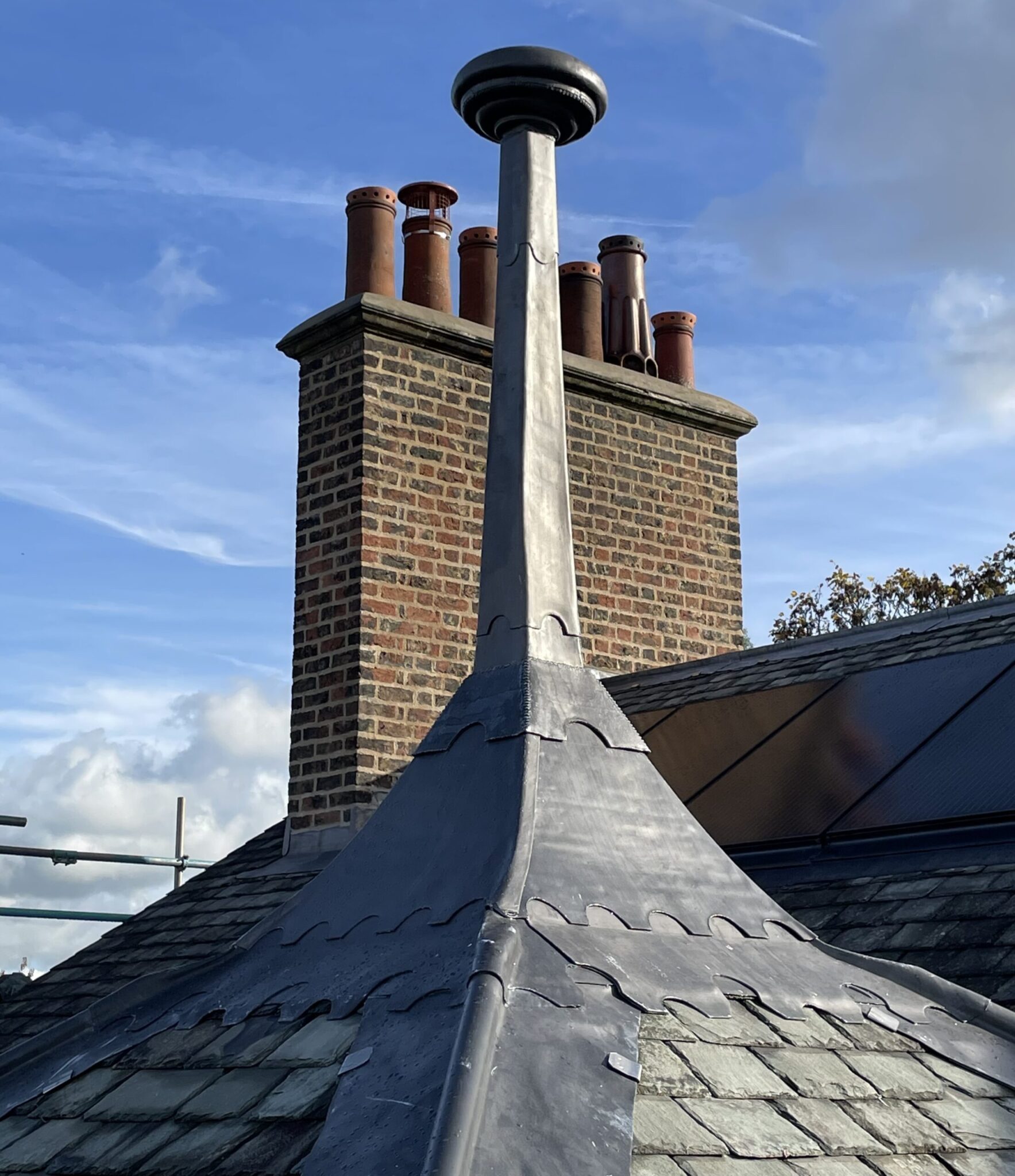
Who Fits Chimney Cowls? A Comprehensive Guide to Safe and Professional Installation
Chimney cowls are essential components that enhance the safety and efficiency of your chimney system. Whether you’re aiming to prevent downdraughts, keep out rain and debris, or deter birds from nesting, a properly installed chimney cowl can make a significant difference. However, the installation of chimney cowls is not a DIY task; it requires the expertise of competent professionals familiar with flues and chimneys.
Understanding Chimney Cowls
A chimney cowl is a device fitted to the top of a chimney pot or flue. Its primary functions include:
- Preventing Downdraughts: By directing airflow, cowls can stop smoke from re-entering your home.
- Keeping Out Rain and Debris: Cowls act as a barrier against rainwater, leaves, and other debris that can obstruct the flue.
- Deterring Birds and Animals: They prevent birds and small animals from nesting inside the chimney.
Given the critical roles they play, ensuring that chimney cowls are correctly installed is paramount.
Why Professional Installation is Crucial
Installing a chimney cowl involves working at height and requires a thorough understanding of chimney systems.Incorrect installation can lead to inefficiencies, safety hazards, and potential damage to your property.
Competent Person Requirement
In the UK, the installation of chimney cowls should be carried out by a “competent person.” This term refers to individuals who have the necessary skills, knowledge, and experience to perform the task safely and in compliance with relevant regulations. Competent persons are often registered with schemes such as HETAS (Heating Equipment Testing and Approval Scheme), which certifies professionals in the installation of solid fuel heating appliances.
Safety Regulations: Working at Height
The installation process typically involves accessing the chimney stack, which is situated at a considerable height.Therefore, installers must adhere to the Working at Height Regulations 2005, which mandate:
- Risk Assessment: Evaluating potential hazards associated with working at height.
- Use of Appropriate Equipment: Employing ladders, scaffolding, or other safety equipment to prevent falls.
- Training: Ensuring that individuals involved are trained in working safely at height.
Compliance with these regulations is not just a legal requirement but also a critical aspect of ensuring the safety of both the installer and the occupants of the property.
Professionals Qualified to Install Chimney Cowls
Several tradespeople possess the expertise to install chimney cowls effectively:
Chimney Sweeps
Modern chimney sweeps do more than just clean chimneys. They are trained to inspect, maintain, and install various chimney components, including cowls. Their in-depth knowledge of chimney systems makes them well-suited for this task.
Stove Fitters
Stove fitters specialize in installing wood-burning and multi-fuel stoves, which often involves working with flues and chimneys. Their experience ensures that chimney cowls are installed to complement the stove’s operation.
Roofing Contractors
Roofers are adept at working at heights and are familiar with the structural aspects of roofs and chimneys. While they may not specialize in chimney systems, their skills can be invaluable, especially when structural modifications are needed.
Regardless of the professional chosen, it’s essential to verify their credentials and ensure they are registered with relevant competent person schemes.
Importance of Flue Testing Before Installation
Before installing a chimney cowl, it’s imperative to assess the condition and functionality of the chimney flue. Flue testing involves:
- Smoke Testing: Checking for leaks or blockages that could impede the safe passage of smoke.
- Structural Assessment: Ensuring the chimney structure is sound and free from damage.
These tests help determine the appropriate type of cowl required and ensure that the chimney operates safely and efficiently. Professionals registered with HETAS or similar bodies are qualified to conduct these assessments.
The Hot Box Chimney Sweep Franchise Model: A Business Opportunity
For individuals interested in entering the chimney maintenance industry, the Hot Box Chimney Sweep franchise offers a compelling opportunity. As part of the UK’s leading suppliers and installers of wood-burning stoves, the franchise provides:
Comprehensive Training: Equipping franchisees with the skills needed for chimney sweeping, cowl installation, and stove fitting.
Business Support: Assistance with marketing, customer acquisition, and operational management.
Brand Recognition: Leveraging the established Hot Box brand to build trust with customers.
This franchise model is ideal for those looking to start a business in a niche yet essential industry, with the backing of an experienced organisation.
Conclusion
Installing a chimney cowl is a task that demands professional expertise to ensure safety, compliance with regulations, and optimal chimney performance. By engaging competent professionals and conducting necessary flue tests, homeowners can protect their properties and enhance the efficiency of their heating systems.
For those interested in a rewarding career in this field, the Hot Box Chimney Sweep franchise presents a structured pathway into the industry, combining technical training with business support.
Remember, when it comes to chimney cowls, professional installation is not just a recommendation—it’s a necessity.