Blog
Chimney Capper for Disused Flues: Vent, Don’t Seal


chimney capper for disused flues: vent, don’t seal
Redundant chimney? Fit a vented capper to keep out rain and wildlife while allowing the flue to breathe—preventing condensation and damp.
Sealing a chimney airtight traps moisture—venting prevents condensation, salts, and internal staining.
Why cap and vent a disused flue?
- Stop rain ingress that causes damp smells and staining.
- Prevent wildlife & debris from entering the stack.
- Allow airflow to carry off residual moisture and protect masonry.
- Reduce heat loss from open, unused pots while keeping the flue healthy.
Which capper should I choose?
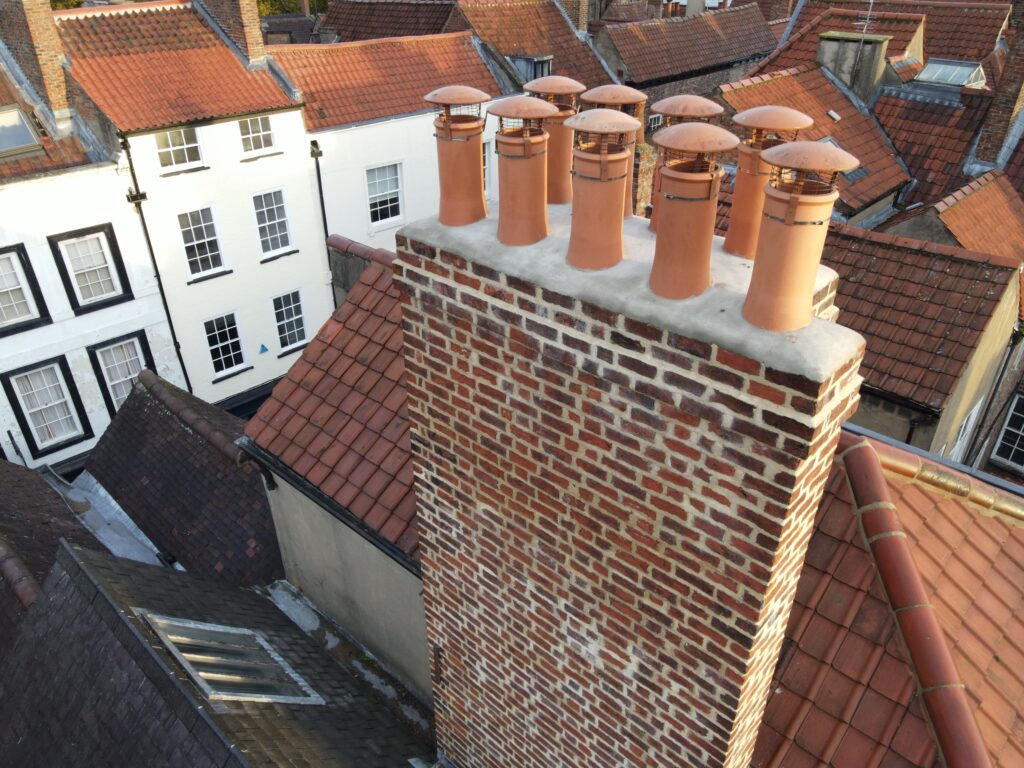
Vented capper (disused only)
Use a ventilated chimney capper that limits rain but allows trickle airflow.
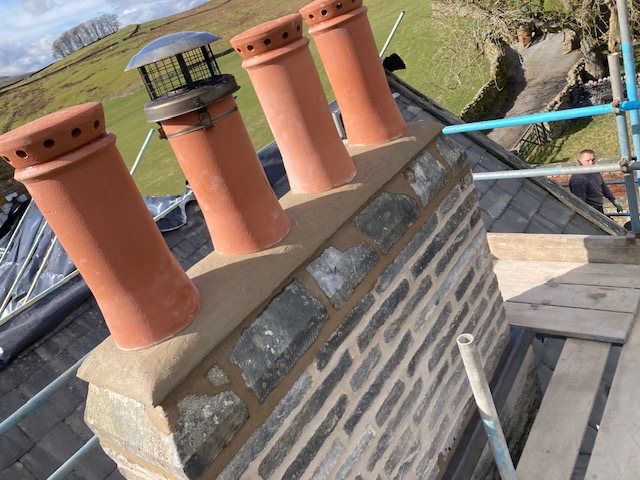
Pepperpot vent cowl
The pepperpot vent gives a traditional look with multiple side vents to promote airflow.
Multiple flues
Cap each unused pot individually. Keep active flues on appropriate terminals (anti-downdraught, rain cap, liner pot-hanger, etc.).
Materials & finish
Choose stainless steel for coastal/exposed sites, or terracotta/powder-coated to blend with existing pots.
Sizing & compatibility
- Measure the outside diameter (OD) of the chimney pot.
- Select a capper with a strap/band range that matches your pot OD.
- For an unused lined flue, a vented closure is still recommended—avoid fully sealing the liner.
Installation snapshot
- Confirm the flue is disused and safe to cap.
- Fit the chosen vented chimney capper with strap & band, level the top.
- Check ventilation slots/holes are unobstructed and shed water correctly.
- Review other pots: fit appropriate terminals to any active flues.
Recommended options
Terracotta Chimney Capper (Vented) Pepperpot Vent Cowl All Vented Cappers
FAQs
Can I just concrete over an old chimney pot?
No. Sealing traps moisture and can cause damp. Use a vented chimney capper instead.
Do cappers stop all rain?
They significantly reduce ingress while allowing airflow. Occasional moisture can still occur—ventilation manages it safely.
What if I reuse the flue in future?
Simply remove the capper and install the correct terminal for the new appliance (e.g., liner pot-hanger or anti-downdraught).
Will a capper help with heat loss?
Yes—cappers reduce uncontrolled heat loss via redundant pots while keeping safe ventilation to protect the stack.