Blog
Bird Guard Chimney Cowls: Stop Nesting & Blockages (2025)


Bird guard chimney cowl: stop nesting & blockages (2025 guide)
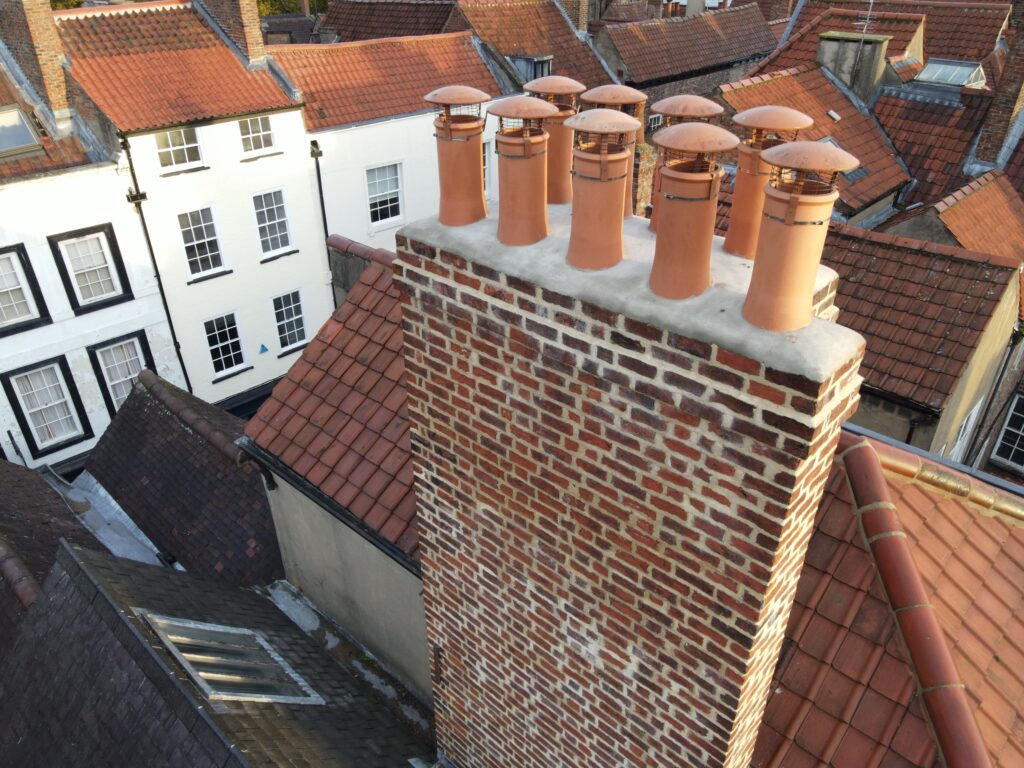
Keep jackdaws, pigeons and debris out of your flue. Improve safety, reduce mess, and protect your stove or open fire.
A correctly sized bird guard protects the terminal without choking the flue. Pair with clean ignition to keep soot down.
Why fit a bird guard?
- Stops nesting: prevents birds and squirrels from building inside the flue.
- Blocks debris: keeps leaves and twigs out, reducing risk of chimney fires.
- Controls rain entry: cap design helps deflect rain and reduces damp smells.
- Keeps performance stable: a clear terminal supports consistent draw.
Bird guard vs spark arrestor vs anti-downdraught
| Type | Primary purpose | When to choose |
|---|---|---|
| Bird Guard Cowl | Stop birds/debris, light rain protection | You have nesting or seasonal debris issues; draw is otherwise okay. |
| Spark Arrestor | Reduce ejected sparks from open fires | Thatched or high-risk roofs; confirm local requirements. |
| Anti-Downdraught | Stabilise wind flow to stop smoke blow-back | Wind-induced downdraught or exposed sites; add guard if birds are active. |
Mesh size, material & fixing: what to pick
Mesh size
- Fine mesh (e.g. ~6–10 mm) maximises bird protection but needs more frequent cleaning.
- Standard mesh balances airflow and protection for most homes.
Materials
- Stainless steel for durability and coastal/exposed locations.
- Galvanised for value in typical conditions.
Fixing type
- Strap & band — fast, non-invasive fit to existing pots.
- Pot-hanger — supports a flexible liner and caps the pot together.
Unused flues
Cap unused flues with a vented pot cap to allow airflow while keeping rain and wildlife out.
Sizing guide
- Measure the outside diameter (OD) of your chimney pot.
- Match to the cowl’s stated range; most bird guards are adjustable within common pot sizes.
- For lined flues, pick a liner pot-hanger bird guard that matches the liner diameter.
Installation snapshot
- Select your bird guard chimney cowl with the correct fixing.
- Fit strap & band evenly (or connect liner to a pot-hanger model).
- Ensure the cap is level and mesh unobstructed; check clearance to neighbouring pots.
- Sweep regularly and clear any soot from the mesh each season.
Recommended options
Standard Bird Guard Cowl Anti-Downdraught + Guard Spark Arrestor Cowl Vented Pot Cap (Unused Flues)
FAQs
Will a bird guard chimney cowl affect draw?
A correctly sized guard maintains free exit area while stopping wildlife and debris. Keep the mesh clean for optimal performance.
Is stainless steel worth it?
Yes for coastal and very exposed sites. Stainless resists corrosion and lasts longer than galvanised in harsh conditions.
Can I use a bird guard with a stove & liner?
Yes—choose a pot-hanger bird guard to support the liner and cap the pot.
What if birds keep returning?
Confirm mesh integrity and fit; consider switching to an anti-downdraught model with guard if winds are also causing issues.