Blog
Rain Cap Chimney Cowls: Stop Rain Ingress Without Hurting Draw


rain cap chimney cowl: stop rain ingress without killing draught
Protect your flue from wind-driven rain and vertical downpours—without choking the terminal or hurting performance.
A good rain cap balances coverage and airflow. The aim: keep water out while maintaining a clear, open terminal.
Why rain gets into chimneys
- Vertical downpour: heavy rain falls straight into open pots.
- Wind-driven rain: side-blown rain enters the pot then runs down the flue.
- Capillary tracking: water creeps under poor terminals and drips internally.
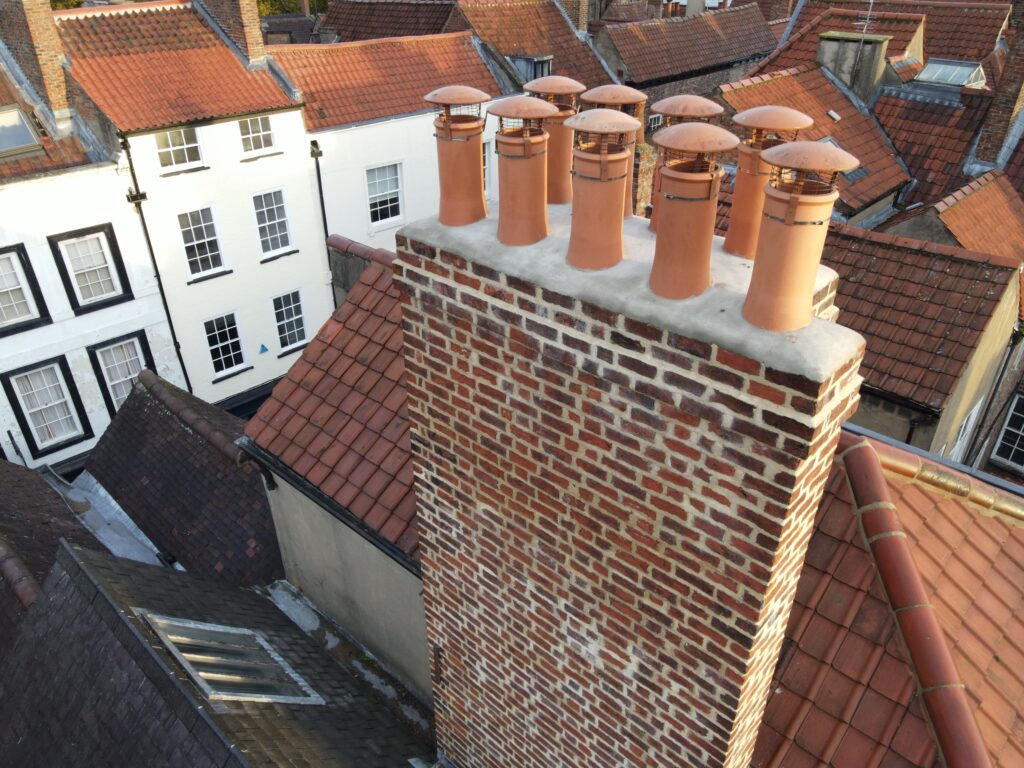
How a rain cap chimney cowl works
- Top disc/cap: acts as an umbrella to deflect rainfall.
- Drip edge: helps shed water away from the pot, reducing staining and damp smells.
- Optional mesh: keeps debris and birds out while preserving flow (clean regularly).
Stop rain without hurting draw
| Design feature | Why it matters | What to look for |
|---|---|---|
| Cap clearance | Too close to the outlet chokes flow | Generous spacing above terminal |
| Free exit area | Must be ≥ flue cross-section | Wide, unobstructed gaps around cap |
| Mesh openness | Fine mesh can soot up faster | Balanced mesh size + scheduled cleaning |
Which rain cap do I need?
Open fires (no liner)
Choose a universal rain cap chimney cowl with strap & band fixing.
Stoves with a flexible liner
Use a liner pot-hanger rain cap to support the liner and cap the pot in one step.
Exposed / coastal sites
Consider an anti-downdraught rain cap design for extra wind control.
Unused flues
Fit a vented pot cap to allow airflow while blocking rain.
Sizing & materials
- Measure the chimney pot outside diameter (OD) and match to the cowl’s range.
- Stainless steel for longevity and coastal conditions; galvanised for value.
- For lined flues, pick a pot-hanger model that matches liner size.
Installation snapshot
- Select your rain cap chimney cowl and confirm the fixing type.
- Fit strap & band evenly (or attach liner to a pot-hanger).
- Level the cap and verify clearance around the outlet; ensure mesh is seated.
- Test-burn and check for free exhaust and dry operation during rain.
Recommended options
Standard Rain Cap Anti-Downdraught Rain Cap Vented Pot Cap (Unused Flues) Liner Pot-Hanger Rain Cap
FAQs
Will a rain cap chimney cowl reduce draw?
A well-designed cap maintains free exit area and adequate clearance, so performance is preserved. Keep the mesh clean.
Does a rain cap stop downdraught?
It helps in showers and side-blown rain, but for wind-induced smoke blow-back choose an anti-downdraught cowl.
Can I use a rain cap with a lined stove flue?
Yes—pick a liner pot-hanger rain cap sized to your liner.
How often should I maintain it?
Inspect each season and after severe weather; sweep the flue as recommended and clear any soot from the mesh.