
Best Chimney Cowls for Wood Burning Stoves | Buyer’s Guide UK
UK Wood-Burning Stove Cowl Guide
Best Chimney Cowls for Wood Burning Stoves
The best chimney cowls for wood burning stoves solve a defined problem without unnecessarily restricting the flue. Compare anti-downdraught cowls, spinning cowls, rain caps, bird guards, spark arrestors and flexible-liner terminals.
Need help maintaining your chimney? Use The Stove Guys to find a local chimney sweep and book online . For stove and chimney services in Scotland, visit Hot Box Stoves Dundee .
Start with the Installation
What makes the best chimney cowl for a wood-burning stove?
There is no single chimney cowl that is automatically best for every wood-burning stove. The correct product depends on the appliance, fuel, chimney construction, liner arrangement, dimensions, local exposure and the specific problem being investigated.
The best chimney cowls for wood burning stoves maintain an adequate outlet for flue gases, tolerate solid-fuel temperatures and combustion deposits, remain secure in severe weather and avoid creating an unnecessary maintenance burden.
Begin by establishing whether the stove is connected to a flexible flue liner, clay liner, masonry chimney or factory-made chimney system. Then identify whether the intended chimney cowl is addressing wind, rain, birds, spark control, liner support or a redundant flue.
For a broader overview, read the complete chimney cowl guide and the UK chimney cowl size guide .
Problem-Based Selection
Choose the chimney cowl by the problem you need to solve
A chimney cowl should have a defined purpose. Diagnose the underlying problem before selecting the product.
Smoke blows back in windy weather
Consider a suitable anti-downdraught chimney cowl after blockage, ventilation, chimney height and flue condition have been checked.
Diagnose chimney downdraught →The chimney is highly exposed
A spinning or directional chimney cowl may be considered for selected high-wind sites, but moving components require inspection and cleaning.
Compare spinning chimney cowls →Rain is entering the chimney
A rain cap chimney cowl can reduce direct rainfall, although flashing, flaunching, masonry and condensation should also be investigated.
Diagnose chimney rain ingress →Birds or nesting material enter the flue
Choose a bird guard chimney cowl suitable for solid fuel, with a secure fixing and sufficient free outlet area.
Read the bird guard guide →The property has a thatched or sensitive roof
Spark-control measures require careful assessment. Fine mesh can collect soot and tar and may need more frequent maintenance.
Read the spark arrestor guide →The stove is connected to a flexible liner
Select a flexible-liner chimney cowl that matches the actual liner diameter and the required support or pot-hanging arrangement.
Read the flexible-liner guide →Practical Recommendation
The best starting point for many UK wood-burning stoves
Where wind-related downdraught has been properly diagnosed, a quality static anti-downdraught chimney cowl is often a sensible first product to compare.
Recommended Category
Static anti-downdraught chimney cowls
A static anti-downdraught chimney cowl uses a fixed weathered design rather than rotating bearings. This can provide a lower-maintenance solution where adverse wind pressure is affecting the flue.
- No moving components or bearings
- Suitable models available for solid fuel
- Can reduce cross-wind effects in suitable installations
- Generally easier to inspect and maintain than rotary cowls
- Available for chimney pots and flexible-liner systems
A chimney cowl is not a universal cure for poor draw
Smoke blowback can also be caused by inadequate room ventilation, obstruction, a cold or oversized chimney, insufficient chimney height, nearby structures, poor fuel, appliance faults or an unsuitable flue. Diagnose these issues before relying on a replacement chimney cowl.
Side-by-Side Comparison
Compare chimney cowls for wood-burning stoves
Compare the main chimney cowl categories by purpose, maintenance and suitability rather than assuming every model performs the same function.

Anti-Downdraught Cowl
A fixed chimney cowl designed to reduce the effects of adverse wind pressure around the chimney outlet.

Spinning or Rotary Cowl
A rotating chimney cowl intended for selected wind-affected locations. Bearings and moving parts require maintenance.

Bird Guard Cowl
A mesh or guarded chimney cowl intended to deter birds, nesting material and larger debris.

Liner Cowl
A chimney cowl designed to connect to a compatible flexible flue liner using a push-fit, screw-fit or pot-hanging arrangement.
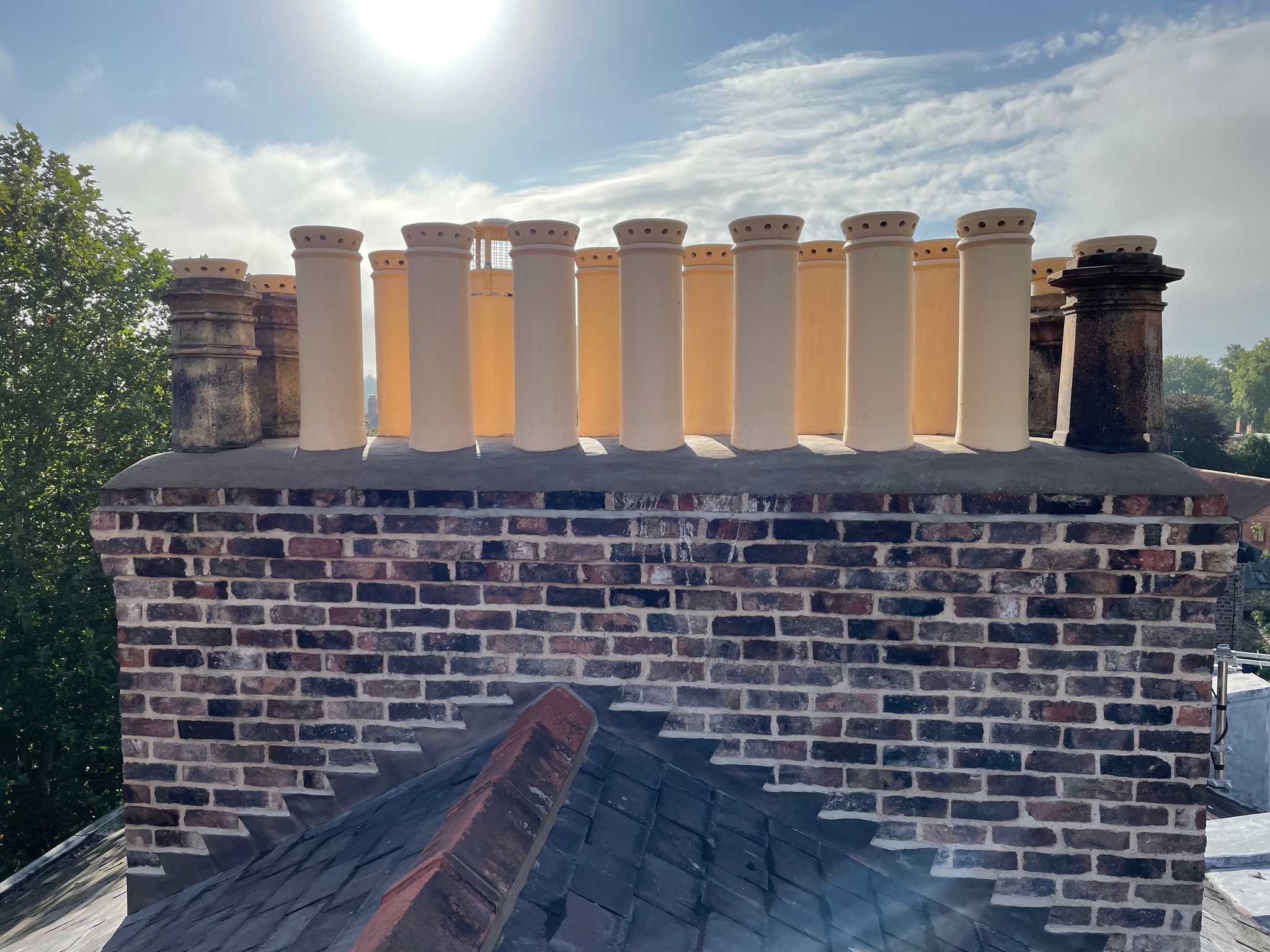
Rain Cap Cowl
A weathered chimney cowl intended primarily to reduce direct rainfall entering the chimney.

Spark Arrestor Cowl
A fine-mesh terminal intended to reduce ember escape in suitable higher-risk installations.
Quick Comparison Matrix
Which chimney cowl is best for each problem?
| Chimney cowl type | Best suited to | Main advantage | Maintenance consideration | Important limitation |
|---|---|---|---|---|
| Anti-downdraught cowl | Diagnosed wind-related smoke blowback | Fixed design with no moving bearings | Routine sweeping and visual inspection | Will not correct every cause of poor draught |
| Spinning chimney cowl | Selected exposed or high-wind sites | Responds to changing wind conditions | Bearings and rotation should be checked | Moving parts can seize or become noisy |
| Rain cap chimney cowl | Direct rainfall entering the flue | Simple weather protection | Check cap underside and fixing points | Does not repair flashings or masonry |
| Bird guard chimney cowl | Birds, nesting material and debris | Provides a physical barrier | Mesh must remain clear of soot and tar | Fine mesh can restrict airflow if neglected |
| Flexible-liner cowl | Stoves connected to a flexible flue liner | Provides a defined liner termination | Check the liner connection and support | Must match the actual liner diameter |
| Spark arrestor cowl | Selected thatched or fire-sensitive sites | Helps reduce larger ember escape | Requires frequent mesh inspection | May become restricted by deposits |
Measure Before Ordering
Chimney cowl sizing for chimney pots and flexible liners
A chimney cowl must match the actual fitting point. Do not rely on a visual estimate taken from ground level.
Chimney cowls fitted to chimney pots
- Measure the outside diameter or outside dimensions of the pot.
- Check the pot shape: round, square, rectangular or unusual profile.
- Confirm there is adequate sound material for the fixing straps.
- Inspect the pot for cracks, instability or damaged flaunching.
- Compare the measurement with the manufacturer’s fitting range.
Chimney cowls fitted to flexible liners
- Confirm the actual internal or stated nominal liner diameter.
- Do not assume the liner size from the chimney pot diameter.
- Identify whether a push-fit, screw-fit or pot-hanging cowl is required.
- Check how the liner is supported at the chimney termination.
- Use a chimney cowl declared suitable for solid-fuel liner systems.
Materials and Exposure
Choosing a chimney cowl material for UK conditions
Material choice affects corrosion resistance, appearance, maintenance and service life.
Stainless steel
Often preferred for coastal, elevated and exposed properties because it provides greater corrosion resistance than basic mild-steel products.
Galvanised steel
A cost-effective option for suitable inland locations, provided the coating remains intact and the product is correctly maintained.
Powder-coated metal
Offers a coloured finish, although scratches, exposed edges and severe weather can eventually allow corrosion to develop.
Terracotta or clay
Provides a traditional appearance for suitable applications. Appliance compatibility and the terminal’s open area must still be checked.
Mesh components
Mesh should be corrosion resistant, securely attached and open enough to avoid unnecessary restriction when maintained.
Fixings and straps
The durability of the fixing system matters as much as the chimney cowl body, particularly on coastal and high-wind sites.
Read the coastal and high-wind chimney cowl guide for further guidance.
Installation Process
How a chimney cowl should be selected and fitted
Roof work requires suitable access, weather conditions, fall protection and a sound chimney pot or termination.
Diagnose the problem
Confirm whether the issue is wind, rain, birds, flue sizing, spark control or liner termination.
Confirm the appliance
Identify the wood-burning stove, fuel, flue system and any manufacturer requirements.
Measure accurately
Record the chimney-pot dimensions or actual flexible-liner diameter.
Inspect the chimney
Check the pot, masonry, flaunching, flashings and fixing area before installing the chimney cowl.
Secure the fixing
Fit the chimney cowl squarely and tighten straps or proprietary fixings evenly without damaging the chimney pot.
Test and inspect
Confirm clearances, secure fixings and correct flue operation, then recheck after severe weather.
Maintenance and Troubleshooting
Keep the chimney cowl clear, secure and serviceable
Chimney cowls should be checked during routine chimney sweeping and after severe storms or prolonged periods of heavy use.
Routine chimney cowl checks
- Remove soot, tar, leaves and nesting material from mesh.
- Check straps, clamps, bolts and liner connections.
- Inspect for corrosion, distortion and storm damage.
- Confirm spinning cowls rotate freely without excessive noise.
- Check the chimney pot and flaunching for cracking.
- Confirm the chimney cowl remains appropriate for the appliance.
Common chimney and cowl symptoms
| Symptom | Possible cause | Next step |
|---|---|---|
| Smoke enters during gusts | Wind pressure, chimney height or poor ventilation | Arrange diagnosis before changing the chimney cowl |
| Damp or tarry smell | Rain, condensation, wet fuel or cold flue | Check the chimney, fuel moisture and flue arrangement |
| Bird or nest debris | Open or damaged chimney terminal | Arrange sweeping before fitting an appropriate bird guard |
| Stove difficult to light | Cold chimney, blockage, wet fuel or oversized flue | Check the chimney and consider the liner arrangement |
| Rotary cowl has stopped moving | Deposits, corrosion or failed bearing | Arrange safe inspection and repair or replacement |
Use dry fuel and establish the fire cleanly
Wet wood and prolonged low-temperature burning can increase smoke, condensation, soot and tar deposits. A clean lighting method such as Hot Box® Firestarter can help establish the fire promptly, but it does not replace suitable fuel, sweeping or correct stove operation.
Find a Local Chimney Sweep
Find and book a chimney sweep online with The Stove Guys
A chimney cowl should be inspected as part of routine chimney sweeping. The Stove Guys helps homeowners find local chimney sweeps, review available services and book chimney-sweeping appointments online.
Frequently Asked Questions
Best chimney cowls for wood-burning stoves: FAQs
Answers to common questions about wind, liners, bird guards, materials, sweeping and chimney cowl maintenance.
What is the best chimney cowl for a wood-burning stove?
There is no universal best chimney cowl. The correct choice depends on the stove, fuel, flue system, chimney-pot dimensions, exposure and the problem being addressed. A static anti-downdraught cowl is often a useful category to compare where wind-related downdraught has been properly diagnosed.
What is the best chimney cowl for a windy roof?
A suitable anti-downdraught chimney cowl may help where wind pressure is causing smoke blowback. Very exposed sites may justify comparison with a spinning or directional chimney cowl, but other causes of poor draw should be investigated first.
Which chimney cowl should I use with a flexible flue liner?
Use a chimney cowl specifically designed for a compatible flexible liner. Depending on the system, this may be a push-fit, screw-fit or pot-hanging terminal. Confirm the actual liner diameter before ordering.
Will a bird guard chimney cowl restrict a wood-burning stove?
A correctly selected and maintained bird guard should provide an appropriate outlet. However, mesh can become restricted by soot, tar and debris, particularly where the fire is operated poorly or wet fuel is burned.
Is a spinning chimney cowl better than a static cowl?
Not automatically. Spinning cowls can be useful in selected exposed locations, while static anti-downdraught cowls have no bearings or moving parts. The best choice depends on the diagnosed problem and maintenance requirements.
Will a chimney cowl stop rain entering the chimney?
A suitable rain cap chimney cowl can reduce direct rainfall. It will not repair defective lead flashing, cracked flaunching, porous masonry or moisture caused by condensation.
Are stainless steel chimney cowls worth buying?
Stainless steel is often worthwhile on coastal, elevated or highly exposed properties because it provides improved corrosion resistance. Product quality, grade, fixings and maintenance remain important.
How often should a chimney cowl be cleaned?
The chimney cowl should be inspected during routine chimney sweeping and after severe weather. Mesh guards, spark arrestors and rotary components may require more frequent attention where deposits build up.
Where can I find and book a local chimney sweep?
Visit The Stove Guys to find a local chimney sweep and book available chimney-sweeping services online.
Chimney Cowls UK
Find the right chimney cowl for your wood-burning stove
Compare chimney cowls by application, check your dimensions and confirm appliance compatibility before ordering. For routine maintenance, use The Stove Guys to find and book a local chimney sweep online.
About this guide
This guide provides general UK information about chimney cowls for wood-burning stoves. Product suitability must be checked against the appliance, fuel, flue arrangement, dimensions and manufacturer’s instructions.
Roof work requires suitable access and work-at-height precautions. Chimney defects, smoke spillage or appliance concerns should be assessed by an appropriately competent professional.
Last reviewed: July 2026.