Blog
Chimney Cowl Rotating

Rotating Chimney Cowls
Wind-powered terminals that actively boost up-draught and fight downdraught on exposed or coastal roofs. Below: when to choose one, sizing, install tips, and top spinning models.

How rotating cowls work
- Wind-driven turbine head spins and creates low pressure over the flue to pull gases upward.
- Stabilises draught in turbulent winds where static caps struggle.
- Best on exposed/coastal roofs or sites with recurring downdraught complaints.
Popular rotating models
Spinning Chimney Cowl – Stainless
- Active up-draught under gusty winds.
- Great for open fires or stoves needing draught stabilisation.
- Clean stainless look; easy strap-fix install.
Dragon Self Rotating Cowl – 125 mm Stainless
- High-efficiency head design; smooth rotation.
- Suited to very exposed, wind-turbulent roofs.
- Available in stainless and black finishes.
Dragon Self Rotating Cowl – 125 mm Black
- Wind-responsive rotation reduces downdraught.
- Strap-fix convenience with robust build.
- Pairs well with dark/modern stacks.
Spinning Cowl – Black
- Budget-friendly rotary option.
- Works with common pot diameters.
Mini Spinning Cowl – Stainless
- Space-saving profile; smooth bearings.
- Ideal where height/clearance is limited.
Mini Spinning Cowl Adaptor – 150 mm
- Ensures snug fit and reliable operation.
- Simple, tool-light installation.
When a rotating cowl is the right call
- High-wind / coastal sites needing active up-draught under turbulent wind.
- Recurring downdraught complaints on open fires or stoves.
- Intermittent or weak natural draw that benefits from wind assist.
Grades, sizes & fixings
| Option | Best for | Pros | Watch-outs |
|---|---|---|---|
| 316 Stainless | Coastal/exposed; solid-fuel acidity | Top corrosion resistance; long service life | Higher upfront cost |
| 304 Stainless | General inland use | Clean finish; good durability | Less salt/acid resistant than 316 |
| Black/colour finishes | Stealth aesthetics | Low-glare look; blends with modern roofs | Finish wear if abraded |
- Sizing: match to pot/flue (e.g., 125–200 mm typical); adaptors available for mini heads.
- Fixing: strap-fix kits are common and speed safe installs.
- Bearings: periodic clean/lube keeps rotation silent and smooth.
FAQs
Will a rotary cowl fix downdraught?
In exposed winds, yes—its turbine creates suction and stabilises flow. For stack-effect or height issues, also review chimney height, room make-up air and fuel/lighting technique.
Are spinning cowls noisy?
Quality bearings run quietly. Noise usually indicates debris, worn bearings or loose fittings—clean and service annually.
Can I use one on any fuel?
Most rotary heads suit open fires and many stoves. Always check the individual product guidance on your fuel and flue setup.
Install & maintain
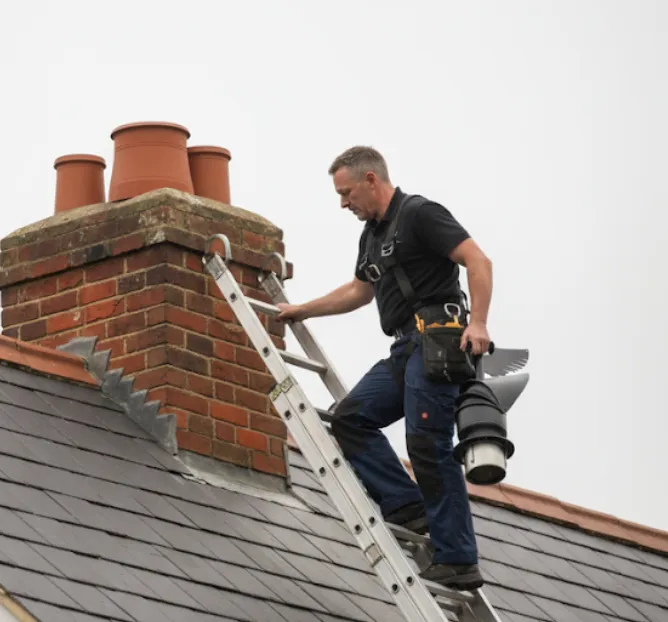
- Fitment: strap-fix to the pot; ensure level, free-spinning head.
- Maintenance: annual sweep/inspection; clean soot from vanes; check/replace bearings if needed.
- How-to: see the step-by-step installation guide.
Tip: On still, damp days, warm the flue gently for a clean start. Good ignition + a rotary head delivers the most reliable draw on tricky stacks.
Specs and availability can change—always check the product page before ordering.