Blog
Chimney Liner Cowl UK (2026): Correct Liner Termination Explained


Chimney Liner Cowl UK (2026): Correct Liner Termination, Rain Protection & Secure Fixing
Chimney Liner Cowl UK guidance starts with one simple principle: a flexible flue liner must be finished properly at the top of the stack. If the liner is left unsupported, poorly clamped, or capped with the wrong product, you can get damp odours after rain, staining, accelerated liner corrosion, or draw instability. This page is a practical, installer-friendly resource to help you choose the correct Chimney Liner Cowl UK, size it correctly, and fit it safely so the liner is supported, the pot is capped, rain and wildlife are controlled, and the stove keeps a stable draw.

Want a quick diagnosis? If you’re unsure whether you need a Chimney Liner Cowl UK or an anti-downdraught head, start with the Cowl Finder.
In this page
- What is a Chimney Liner Cowl UK?
- Why liner termination matters (the problems it prevents)
- When you need a Chimney Liner Cowl UK (symptoms & scenarios)
- Types: pot-hanger vs rain-cap vs bird-guard vs anti-downdraught
- Sizing a Chimney Liner Cowl UK (liner diameters & pot sizes)
- Materials: stainless vs galvanised vs coated (UK exposure)
- Fixings & termination best practice
- Stopping rain ingress without restricting draw
- Installation steps (safe, simple checklist)
- Maintenance & troubleshooting
- Common mistakes to avoid
- FAQs
- Conclusion: Buy Chimney Liner Cowl UK
What is a Chimney Liner Cowl UK?
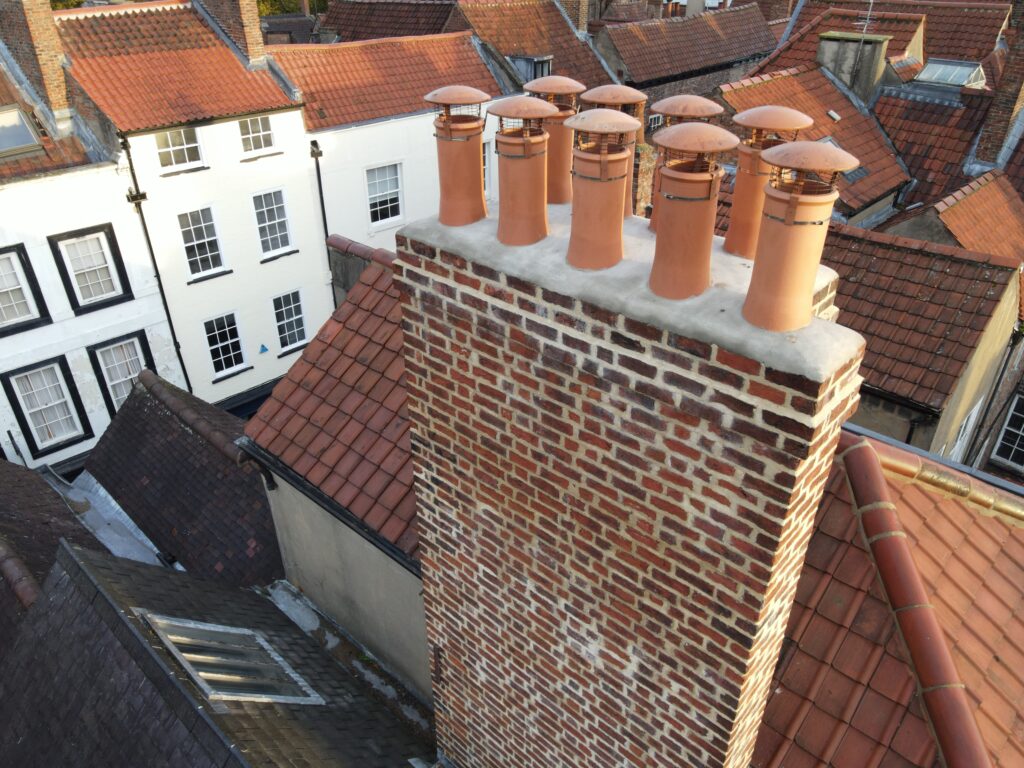
A Chimney Liner Cowl UK is a chimney cowl designed for a flue that is lined with a flexible liner. Unlike a generic pot-top, a liner cowl creates a proper termination detail: it supports the liner, keeps it centred, helps weather the pot, and provides an outlet that protects performance. In plain English, it finishes the top of a lined system so it stays secure in storms, resists rain ingress, and remains serviceable during sweeping.
In most cases, the correct product is a pot-hanger Chimney Liner Cowl UK: it “hangs” the liner from a clamp/plate while also capping the pot.
Why liner termination matters (the problems it prevents)
Stops water-related smells
A poor top detail lets rain track into the pot/liner. That moisture mixes with soot and condensates, producing persistent “wet soot” odours. A correctly selected Chimney Liner Cowl UK reduces direct rain entry and improves the top weathering.
Protects the liner investment
Repeated wetting and acidic condensate cycles can shorten liner life. Good termination helps keep the liner drier, reduces corrosion risk, and prevents movement that can cause abrasion or tearing at the top.
Preserves draw and safety
Incorrect tops can restrict outlet area or create turbulence. The right Chimney Liner Cowl UK maintains a generous outlet and reduces the chance of smoke spillage caused by restriction, blockages, or poor cap clearance.
When you need a Chimney Liner Cowl UK (symptoms & scenarios)
You likely need a Chimney Liner Cowl UK if…
- You have a flexible liner (common sizes: 125mm or 150mm) and want a correct top termination.
- You get damp odours after rain or “wet soot” smells at the fireplace.
- The pot top looks unfinished, temporary, or has a poor rain detail.
- You want to reduce liner wear from water entry and repeated acidic condensate cycles.
- You’ve had birds/twigs at the top and want a solution that stays serviceable during sweeping.
It might be a different cowl if…
- Smoke puffs in gusts: that’s usually downdraught — see anti-downdraught cowls.
- Bird nesting is the main issue: add a bird-guard (mesh needs seasonal cleaning).
- Very exposed coastal headlands: compare spinning cowls for stability.
- No liner at all: a rain-cap or anti-downdraught may be the correct first move instead of a liner termination.
Types: pot-hanger vs rain-cap vs bird-guard vs anti-downdraught
| Type | Best for | Pros | Watch-outs | Buy / learn |
|---|---|---|---|---|
| Chimney Liner Cowl UK (Pot-hanger) | Lined stoves needing correct termination | Supports liner, neat finish, weathering at pot | Must match liner diameter and pot size | Buy pot-hanger liner cowl |
| Rain-cap | Rain ingress on unlined or lined stacks | Simple rain protection, preserves free exit area | Not a liner support solution on its own | Buy rain-cap |
| Bird-guard | Nesting & debris prevention | Stops birds/twigs; pairs with rain solutions | Mesh requires seasonal cleaning | Buy bird-guard |
| Anti-downdraught | Wind turbulence causing blow-back | Stabilises draw in gusts | Not a rain-ingress-first fix | Fix downdraught |
Sizing a Chimney Liner Cowl UK (liner diameters & pot sizes)
Measure in the right order
- Liner diameter first: common are 125mm (5″) and 150mm (6″).
- Pot outside diameter (OD): measure across the rim, and check twice if the pot is slightly oval.
- Fixing range: ensure the clamp/strap fits the pot OD securely.
- Outlet area: avoid restrictive tops that weaken draw, especially on small liners.
Need help? Use the Chimney Cowl Size Guide.
Typical liner sizes (UK)
| Liner size | Common use | What to buy |
|---|---|---|
| 125mm | Many 4–5kW stoves (model-dependent) | Chimney Liner Cowl UK sized to 125mm |
| 150mm | Many 5–8kW stoves (model-dependent) | Chimney Liner Cowl UK sized to 150mm |
| 180–200mm | Larger appliances / some legacy setups | Check compatibility and pot size carefully |
If you don’t know the liner size, check paperwork from installation, sweep notes, or measure the liner ID where accessible (safe access only).
Materials: stainless vs galvanised vs coated (UK exposure)
Stainless steel
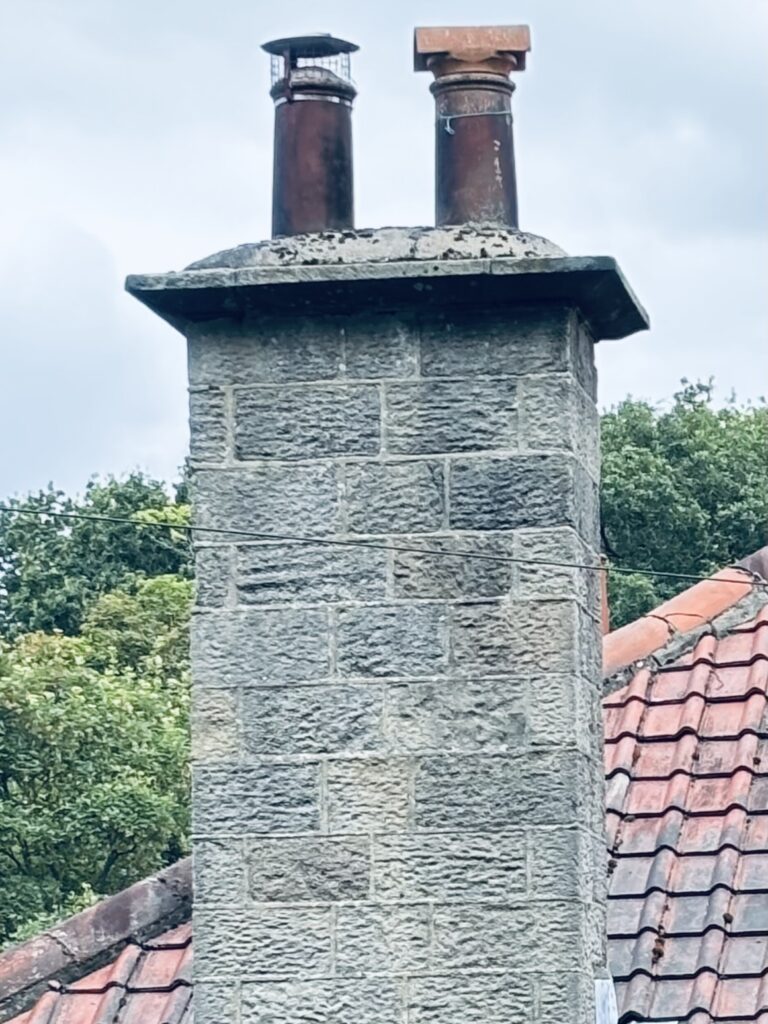
Best for coastal locations, high exposure, and long service life. A stainless Chimney Liner Cowl UK is typically easier to keep clean and resists corrosion where salt-laden winds are common.
Galvanised
Good value for inland installations with routine inspections. If you sweep regularly and don’t have severe exposure, galvanised can be a sensible option.
Powder-coated
A neat aesthetic finish, often chosen where appearance matters. Ensure it remains serviceable and doesn’t create unnecessary restriction.
Fixings & termination best practice
A Chimney Liner Cowl UK should do more than “keep rain out”. It should form a reliable termination detail that stays secure through storms. For lined flues, best practice is: the liner is clamped correctly, the pot is capped neatly, and the assembly is inspectable and serviceable.
- Pot-hanger system: supports the liner and caps the pot in one assembly (most common correct finish for lined stoves).
- Clamp integrity: the liner must be properly secured to prevent slippage and movement in wind.
- Serviceability: choose a system you can check during annual sweeping and after storm cycles.
- Pot condition: damaged rims may need alternative fixing methods (and sometimes pot replacement).
Fixings deep dive: Strap & band vs bolt-down vs pot-hanger.
Stopping rain ingress without restricting draw
Protect the liner, protect the draw
If rain is entering a lined flue, it can create damp odours, speed up liner corrosion, and increase staining at the fireplace. The correct Chimney Liner Cowl UK reduces rain entry while keeping the outlet generous. The “win” is not just dryness — it’s maintaining stable performance without adding restriction.
- Rain path: driven rain can drop down the pot if the top termination is poor.
- Cold flue effect: a cold liner can hold moisture and smell worse after storms.
- Right system: pot-hanger liner termination first; add rain-cap style protection if your site is rain-driven/exposed.
- Outlet priority: maintain outlet area and cap clearance to avoid turbulence and smoke spillage.
Installation steps (safe, simple checklist)
- Confirm you have a liner: identify liner diameter (e.g., 125mm or 150mm).
- Measure pot OD: ensure the Chimney Liner Cowl UK will clamp securely.
- Select material: stainless for coastal/exposed; galvanised/coated for inland value.
- Choose the correct head: pot-hanger liner cowl for termination; add bird-guard if nesting risk exists.
- Fit square and secure: clamp the liner correctly and tension fixings evenly.
- Check airflow: ensure the outlet is unobstructed and the cowl is level.
- Re-check after storms: inspect the Chimney Liner Cowl UK fixings after the first storm cycle.
Maintenance & troubleshooting
Maintenance schedule
- After storms: visual check from ground level where possible.
- During sweeping: confirm fixings, clamp tightness and any mesh cleanliness.
- Seasonal: if you run a bird-guard, clean the mesh to preserve outlet area.
- Coastal stacks: rinse stainless components occasionally to reduce salt residue.
If you’re booking a sweep, you can use The Stove Guys to find pros nationwide.
Quick troubleshooting
| Symptom | Likely cause | Fix |
|---|---|---|
| Damp smell after rain | Rain entry + cold liner / poor termination | Confirm correct Chimney Liner Cowl UK termination; add rain protection if needed |
| Debris/twigs in stove | Nesting / leaf drop | Add a bird-guard (clean seasonally) |
| Smoke puffs in gusts | Wind turbulence | Use anti-downdraught or compare rotary on exposed sites |
| Visible cowl movement | Loose strap / clamp or incorrect fixing range | Re-check pot OD, refit and tension evenly; replace with the correct fixing type if needed |
Draw diagnosis: Chimney draught problems guide.
Common mistakes to avoid
- Wrong product: a rain-cap alone doesn’t support a liner — use a Chimney Liner Cowl UK pot-hanger termination.
- Wrong size: guessing liner diameter or pot OD leads to poor fit and leaks.
- Over-restricting the outlet: caps/guards that reduce outlet area can weaken draw and cause smoke spillage.
- Mesh with no cleaning plan: bird-guards work, but must be cleaned to protect draw.
- Ignoring exposure: coastal stacks often need stainless options and more frequent checks.
- No re-check: always inspect the Chimney Liner Cowl UK after the first storm cycle.
Buy the correct Chimney Liner Cowl UK
If you have a flexible liner, start with a pot-hanger termination and add rain or bird protection as needed. That’s the simplest way to keep the system secure, serviceable, and performing properly.
FAQs
What is a Chimney Liner Cowl UK used for?
A Chimney Liner Cowl UK is used to terminate a flexible liner correctly at the top of the pot, supporting the liner and helping reduce rain ingress and debris entry.
Do I need a Chimney Liner Cowl UK for a 125mm liner?
Yes—if you have a 125mm flexible liner, you typically need a Chimney Liner Cowl UK sized to 125mm to provide a secure, serviceable termination.
Can I add a bird guard to a Chimney Liner Cowl UK?
Yes. If nesting or debris is a risk, pair your Chimney Liner Cowl UK with a bird-guard chimney cowl and plan seasonal cleaning.
Will a Chimney Liner Cowl UK fix downdraught?
Not always. Downdraught is primarily a wind/turbulence issue—use an anti-downdraught cowl or compare spinning cowls for very exposed stacks.
What’s the fastest way to choose the correct Chimney Liner Cowl UK?
Use the Cowl Finder. If you confirm you have a flexible liner, start with the pot-hanger Chimney Liner Cowl UK and then add rain or bird protection if required.
Conclusion: Buy Chimney Liner Cowl UK
If you have a flexible liner, a Chimney Liner Cowl UK is the correct way to finish the top of the stack. Measure the liner diameter and pot OD, choose a pot-hanger termination, then add rain or bird protection where required. A properly sized Chimney Liner Cowl UK helps reduce damp odours, protects your liner, and keeps draw stable — without unnecessary restriction.