
Blog
Wood Burner Installation Regulations

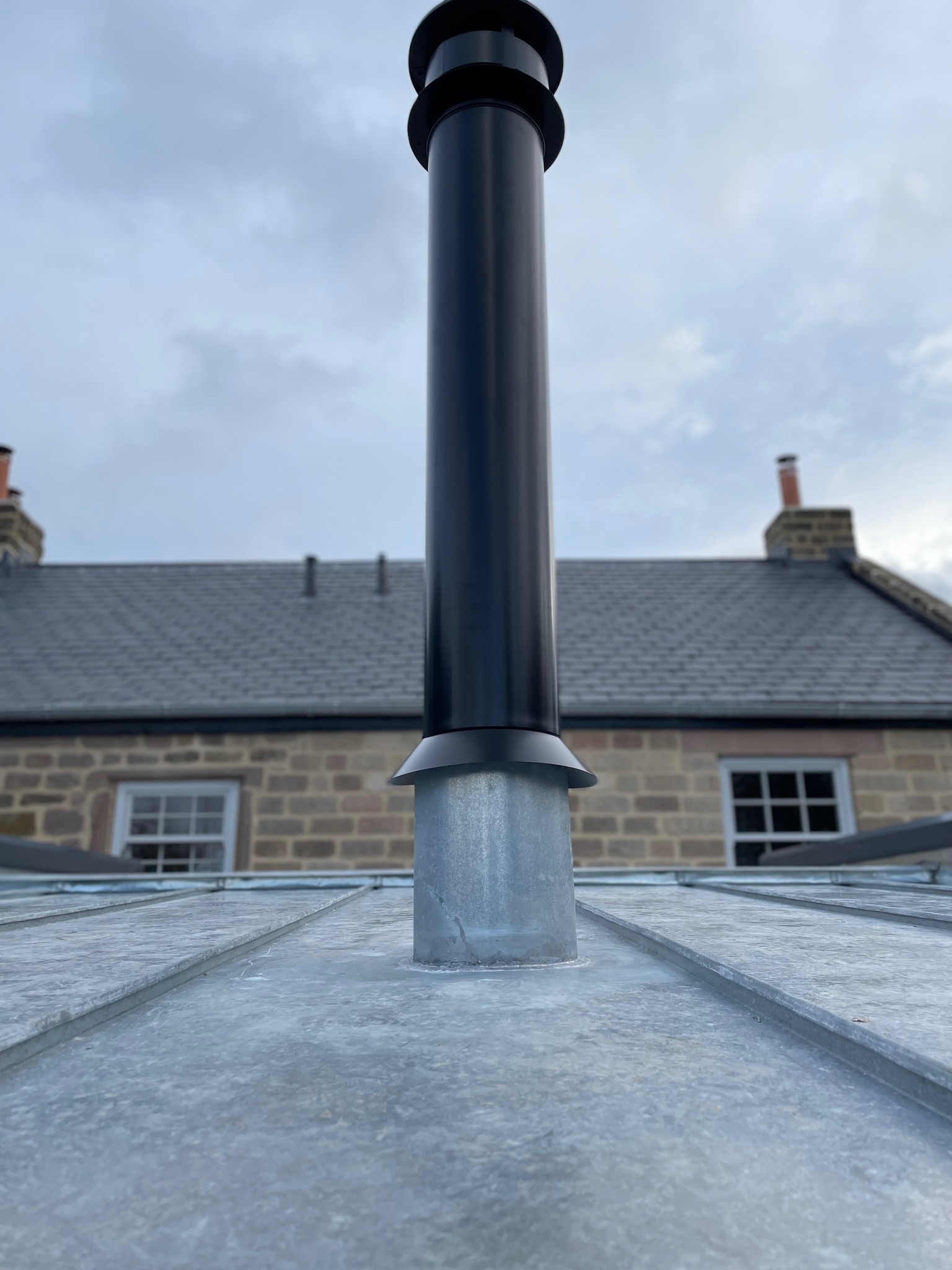
Installing a Wood Burner: A Comprehensive Guide to UK Regulations
Installing a wood burner can significantly enhance your home’s warmth and comfort while providing an efficient heating source. However, it’s vital to understand and comply with UK regulations to ensure a safe and legal installation. This comprehensive guide will help you navigate the requirements set out by UK building regulations and British standards when installing a wood burner.
1. Understanding Wood Burner Regulations in the UK
When installing a wood burner in the UK, several regulations and standards must be followed to ensure safety and compliance. Key documents include:
- Building Regulations (Approved Document J): This document outlines the requirements for the installation of heating appliances, including wood burners. It specifies safety standards, ventilation, and flue requirements.
- British Standards: Various British Standards (BS) apply to the installation of wood-burning appliances, such as BS 8303 for the installation of solid fuel-burning appliances and BS EN 15287 for chimney design and installation.
1.1 Why Regulations Matter
Adhering to regulations is crucial for several reasons:
- Safety: Compliance helps prevent fire hazards, carbon monoxide poisoning, and other risks associated with improper installations.
- Insurance Compliance: Failure to comply with local regulations may invalidate your home insurance policy if an incident occurs related to the installation.
- Resale Value: A compliant wood burner installation can enhance your home’s value, while a non-compliant installation may complicate the selling process.
2. Pre-Installation Considerations
Before installing a wood burner, you should take the following into account:
2.1 Type of Wood Burner
Choose a wood burner suitable for your home. Options include:
- Freestanding Stoves: These can be placed anywhere with adequate clearance and ventilation.
- Insert Stoves: Designed to fit into an existing fireplace, offering a seamless appearance.
- Built-In Fireplaces: Permanent installations integrated into your home structure.
2.2 Fuel Type
Most wood burners are designed for seasoned wood, but some can accommodate other fuels like wood pellets. Ensure your chosen model is compatible with the fuel you plan to use.
2.3 Sizing the Wood Burner
Select a wood burner that is appropriately sized for the space you intend to heat. An undersized unit will struggle to heat your home, while an oversized unit may lead to inefficient burning and increased emissions.
2.4 Planning for Ventilation
Proper ventilation is crucial for the safe operation of your wood burner. Identify the best location for the installation and ensure a compliant flue or chimney system.
3. Local Regulations and Permits
3.1 Checking Local Codes
Before installation, contact your local building authority or fire department to inquire about specific codes and regulations regarding wood burner installations. Key regulations include:
- Building Regulations: Ensure your installation complies with the requirements outlined in the Building Regulations, specifically Approved Document J.
- Permits: Many councils require a permit for installing a wood burner. Make sure to obtain any necessary permissions before proceeding.
3.2 National Standards
Familiarize yourself with national standards applicable to your installation:
- Building Regulations Approved Document J: This document details the regulations for the safe installation of heating appliances, including requirements for flue design, ventilation, and emissions.
- British Standard 8303: This standard covers the installation of solid fuel-burning appliances, providing guidelines to ensure safe and efficient operation.
- BS EN 15287: This standard governs the design, installation, and commissioning of chimneys and flues for the safe evacuation of combustion products.
3.3 Environmental Regulations
Local environmental regulations may impose restrictions on emissions from wood burners. Be sure to check:
- Emission Standards: Verify that your wood burner meets any local and national emission standards.
- Seasoned Wood Requirements: Most regulations require burning dry, seasoned wood to reduce smoke and particulate emissions.
4. Installation Process
4.1 Preparing for Installation
- Choose a Suitable Location: Select a location with adequate clearance from combustible materials, typically at least 36 inches from all sides. This ensures safe operation and minimizes fire risk.
- Install a Hearth: If required, create a non-combustible hearth extending beyond the stove’s dimensions to catch any embers or ash.
4.2 Installing the Flue System
- Select the Right Flue: Choose a flue that meets the manufacturer’s specifications and complies with the regulations outlined in Approved Document J.
- Connect the Flue to the Stove: Ensure a secure connection to prevent leaks, following the manufacturer’s instructions for installation.
4.3 Positioning the Wood Burner
- Follow Manufacturer Instructions: Carefully adhere to the installation guidelines provided by the stove manufacturer.
- Level the Stove: Ensure that the wood burner is level to promote efficient burning and safe operation.
4.4 Completing the Installation
- Test for Safety: After installation, test the flue for proper draft and check for leaks.
- Conduct a Final Inspection: If required, arrange for an inspection by a qualified professional or local authority to confirm compliance with building regulations.
5. Post-Installation Considerations
5.1 Regular Maintenance
To keep your wood burner operating efficiently and safely, establish a routine maintenance schedule:
- Chimney Sweeping: Clean the chimney and flue at least once a year to remove creosote buildup and prevent chimney fires.
- Inspection: Have a professional inspect the wood burner and flue system annually to ensure compliance with safety regulations.
5.2 Operating Safely
- Use Dry, Seasoned Wood: Only burn approved types of wood to reduce emissions and improve efficiency.
- Install Carbon Monoxide Detectors: Place detectors in key areas of your home to alert you to potential leaks.
5.3 Know Local Emergency Procedures
Familiarize yourself with local emergency procedures in case of a fire or carbon monoxide alarm. Ensure that all household members know how to respond safely.
Conclusion
Installing a wood burner in your home can provide warmth and comfort, but it’s essential to navigate the regulatory landscape to ensure a safe, legal, and efficient installation. By understanding UK regulations, obtaining necessary permits, and following the installation process closely, you can enjoy the benefits of your wood burner with peace of mind. Always prioritize safety and compliance to ensure that your wood burner serves you well for years to come.
