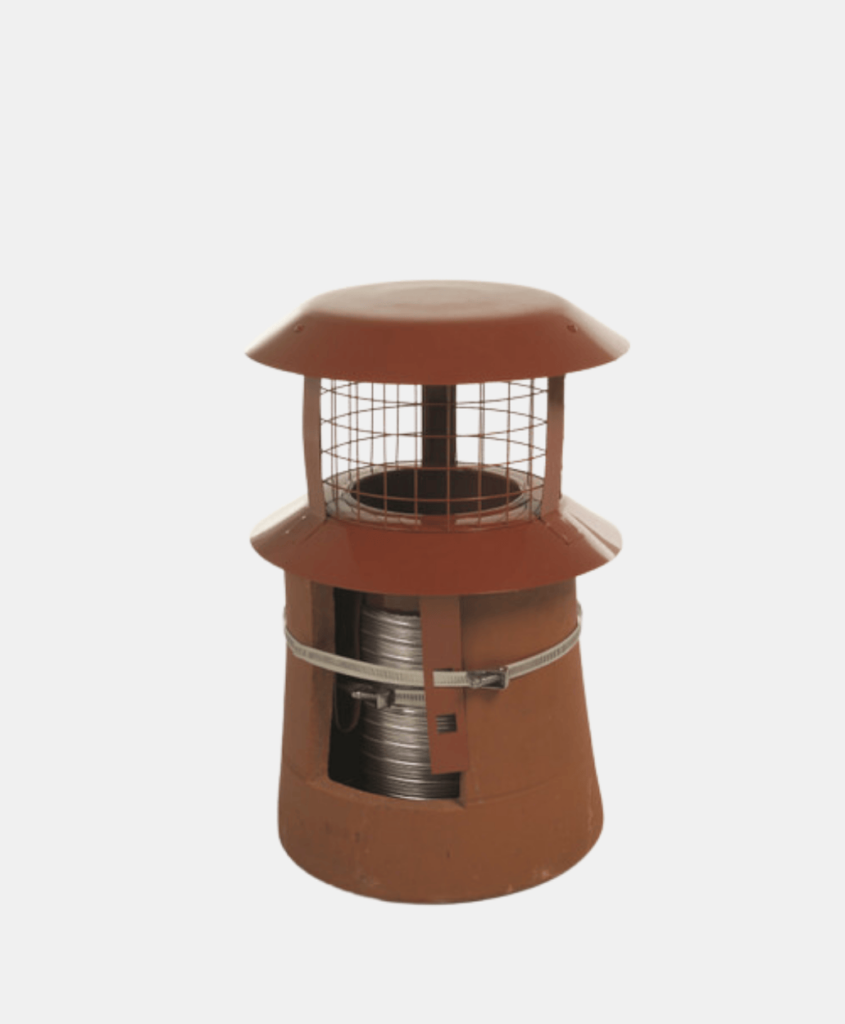
Understanding 150mm In Inch in Relation to Wood Burning Stoves, Flues, and Cowls
When planning a wood-burning stove installation, sizing is crucial, especially when it comes to the flue and cowl. One common measurement is 150mm, a standard flue size often specified in product specifications and installation guides. But for those more comfortable with inches, converting 150mm to inches is essential to make sure components fit together seamlessly. Let’s take a closer look at what 150mm means in inches, and why this measurement is significant for wood-burning stove installations.
- To convert millimeters to inches, divide by 25.4 (since 1 inch equals 25.4mm).
- 150mm = 5.91 inches (rounded to approximately 6 inches).
Knowing this conversion helps ensure you have the correct size components, especially when buying from international suppliers where inches might be the standard. This is particularly important for flue pipes and cowls, as a mismatch in size can disrupt airflow and affect the efficiency of the stove.
2. Why 150mm In Inch (6 Inches) Matters for Wood-Burning Stoves
- Efficient Venting: The flue or chimney of a wood-burning stove serves as a critical component in directing smoke, gases, and other byproducts safely out of your home. A 150mm (6-inch) diameter is a common size for wood-burning stove flues and allows for adequate airflow.
- Compliance with Regulations: Many regions have strict building codes regarding flue diameter to ensure proper ventilation and reduce fire hazards. A 150mm (6-inch) flue often meets these requirements, making it a popular choice.
- Stove Compatibility: Many wood-burning stoves are designed to work optimally with a 150mm flue, as it provides a balance between efficient smoke release and combustion airflow, crucial for a clean burn.
3. Flue Pipes and Sizing Considerations
- Correct Size for Safety: Using the recommended 150mm In Inch (6 inches) for flue pipes helps ensure the stove burns safely and efficiently. A flue that’s too narrow could lead to backdrafts or smoke leakage into the room, while one too large could cool the gases prematurely, leading to creosote buildup.
- Double-Wall Insulation: In some cases, especially for outdoor or exposed sections of the flue, double-wall insulated pipes might be necessary to prevent heat loss and ensure consistent airflow.
- Material Choices: Flue pipes are typically made from stainless steel or vitreous enamel, both of which withstand high temperatures and resist corrosion. Be sure to select a flue pipe that meets safety standards for wood-burning stoves.
4. Choosing the Right Cowl for a 150mm Flue
- Prevents Rain Entry: Cowls are designed to prevent rain from entering the flue, which could damage the stove or reduce combustion efficiency.
- Reduces Downdraft: Downdrafts can push smoke back down the flue and into your home. A cowl that’s designed for 150mm In Inch (6 Inches) flues can help mitigate this risk by creating an updraft.
- Improved Draft Control: The right cowl will support good airflow, enhancing the stove’s performance, especially in adverse weather conditions.
5. Tips for Converting Measurements Accurately
If you're working with a mix of metric and imperial measurements, try keeping a quick conversion chart on hand or using a converter tool. Here are a few useful conversions related to 150mm:
- Flue Pipe Diameter: 150mm = approximately 6 inches.
- Clearances: Check any local code requirements for minimum clearances in both mm and inches to ensure safe installation around combustible materials.
Final Thoughts
For anyone installing or upgrading a wood-burning stove, understanding the size and specifications of each component is essential. Remember, 150mm is about 6 inches, and this measurement typically applies to standard flues for many wood-burning stoves. By ensuring your flue and cowl match this specification, you’ll help create an efficient, safe, and compliant wood-burning setup.
Check Out The Ultimate Guide MM to Inches For More Measurements!